Content Creators Are Quitting TikTok: Here's Why


Entertainment
Content Creators Are Quitting TikTok: Here’s Why

Content Creators Are Quitting TikTok: Here’s Why
Overview
TikTok once thrived as a space for creators to gain audiences and secure brand deals. Its algorithm favored new talent and niche communities. Now, a growing number of creators are leaving or reducing their output. Several factors contribute to this trend. It is not just one single issue but a combination of platform dynamics.
Declining Organic Reach
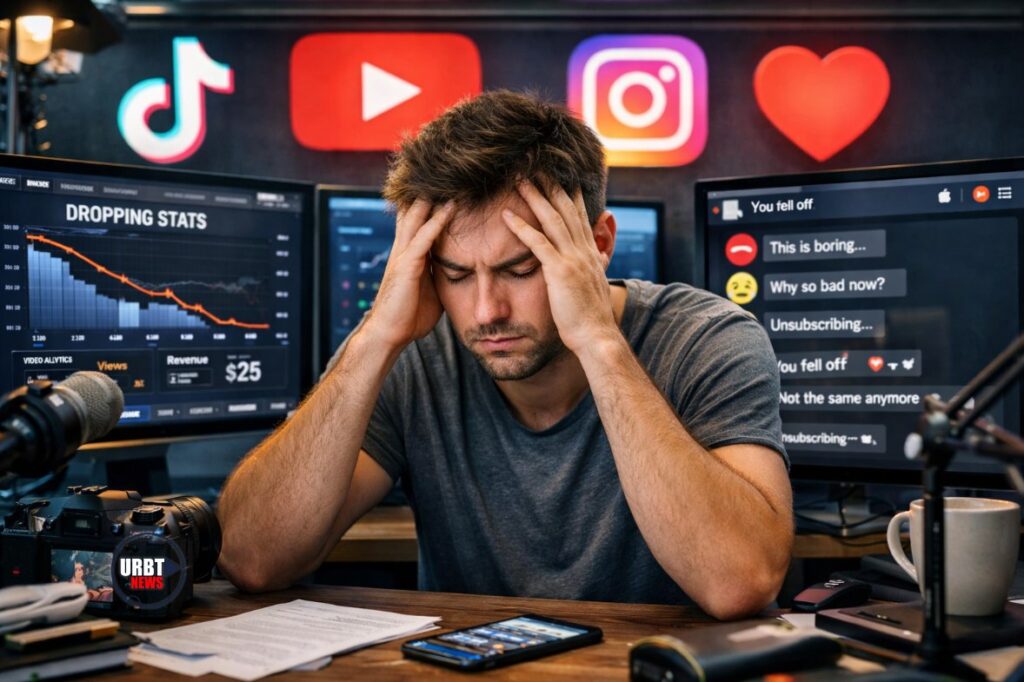
Early TikTok allowed accounts to gain millions of views easily. Creators built entire careers on this short-form content. Over time, TikTok changed its recommendation system. Many creators now see this change as unfair. Similar videos produce very different results. Creators call this “algorithm roulette” because success feels random. This makes long-term planning almost impossible. Creators find it hard to predict their performance.
The platform’s maturity also plays a role. TikTok’s user base grew significantly. This increased the competition for viewers’ attention. More brands and media companies compete in the same feed. This reduces exposure for individual creators. The system favors large accounts and paid promotions. Smaller creators feel squeezed by this new dynamic.
Monetization Issues
TikTok has not delivered consistent revenue for its creators. YouTube and subscription platforms offer more stable income. The TikTok Creator Fund pays creators modestly relative to views. Many creators report that payments do not justify their efforts. Sponsorships can help, but they require negotiation power. Creators need loyal audiences and consistent traffic to succeed with those deals.
When creators see low returns, they move to better platforms. YouTube offers AdSense revenue for long-form content. They also have a short-form revenue system now. Twitch and Patreon offer subscription-based earnings to creators. Even Instagram and Facebook Reels offer better payouts in some markets. Why Content Creators Are Quitting TikTok boils down to economics. Creators simply move where they can earn more.
Burnout and Content Fatigue
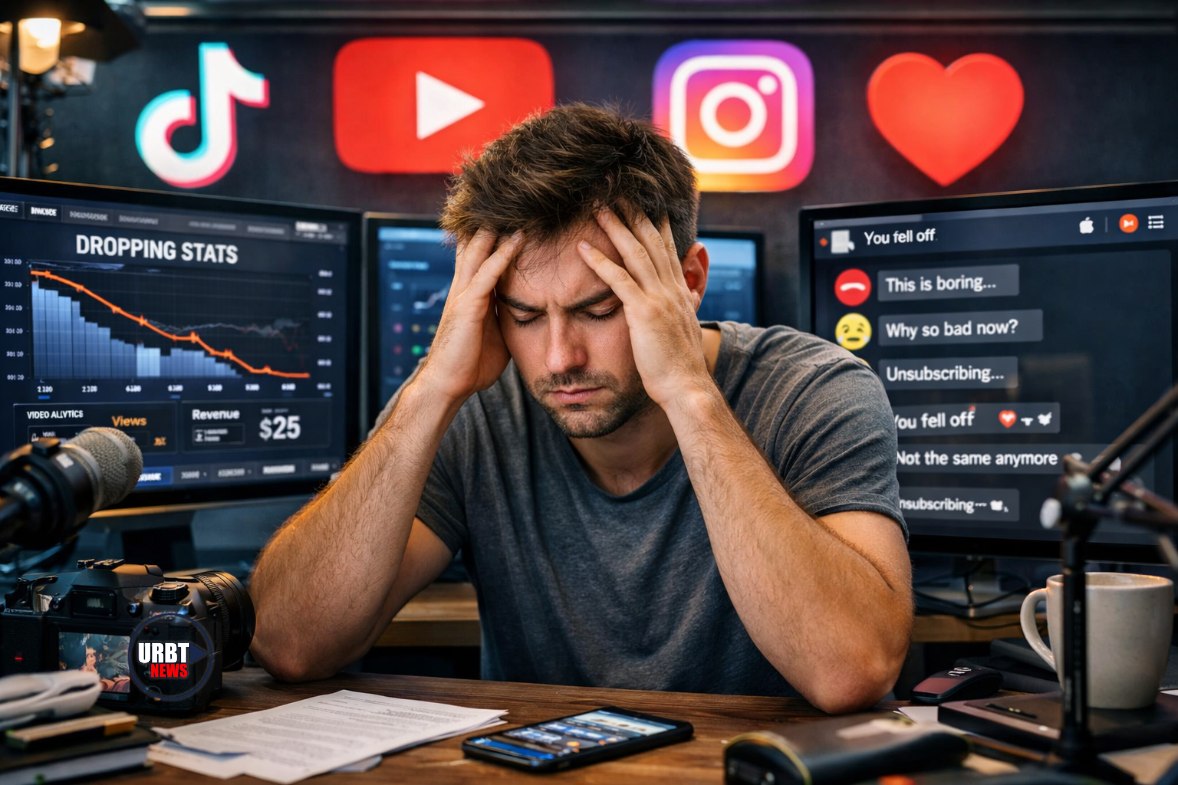
Short-form platforms demand constant content creation from all creators. Trends move quickly, and formats become stale. Creators who post infrequently risk losing audience engagement. The workload involves scripting, filming, and editing. Creators must also write captions and manage comments. All of this takes a big psychological toll on content creators.
Burnout has two forms. Creative burnout happens from pressure to create new content. Audience burnout happens when creators feel forced to produce popular content. This is true even when it goes against the creators identity. The pressure leads to creators quitting the platform completely. They simply cannot sustain the workload.
Platform Regulation Concerns
Geopolitical issues create instability for TikTok. Discussions about U.S. bans cause uncertainty for creators. Data security concerns also impact creators. A platform facing regulatory threats is a risky place to build a career. Brands reduce their TikTok budgets during uncertain times. This directly impacts creator income, and impacts the creator’s financial situation. Creators diversify or exit the platform altogether.
Audience Migration
Audiences are no longer tied to a single platform. Short-form video exists on YouTube Shorts and Instagram Reels. Snapchat Spotlight and AI-driven platforms also host the same content. TikTok no longer controls trends. Why some creators are stepping back from TikTok happens because audiences leave. Creators follow audiences to other platforms. Many creators prioritize platforms with stability and better monetization. TikTok helps creators with exposure, but not retention.
The creator exodus involves restructuring how creators operate. Diversification into YouTube, newsletters, and Instagram is common. Creators want sustainable audience ownership. They want platforms they can control, not algorithms.
Frequently Asked Questions
Why are content creators leaving TikTok?
Declining reach, poor monetization, and burnout all contribute to the shift. Regulatory concerns and audience shifts also cause creators to leave.
Is TikTok’s algorithm hurting creators?
Many creators feel the algorithm has become unpredictable and unfair. This makes it hard to plan content.
How does TikTok monetization compare to YouTube?
YouTube offers more stable and higher revenue through AdSense. TikTok’s Creator Fund often pays very little.
What is “creative burnout?”
Creative burnout results from the pressure to constantly create new content. Creators must keep up with fast trends.
Where are creators going after TikTok?
Creators are diversifying into YouTube, Instagram, newsletters, and community platforms.
TikTok | content creators | monetization | burnout | algorithm | social media | YouTube | Instagram | creator economy
TikTok #ContentCreators #SocialMedia #CreatorEconomy #YouTube #Instagram #Burnout