
Africa
Elon Musk Claims South Africa Blocked Starlink Due to Racial Policies

Elon Musk Claims South Africa Blocked Starlink Due to Racial Policies
Overview
Elon Musk claims South Africa blocked Starlink. He says this is because of racial ownership requirements. This allegation has sparked international debate. The debate covers race, regulation, and access to technology.
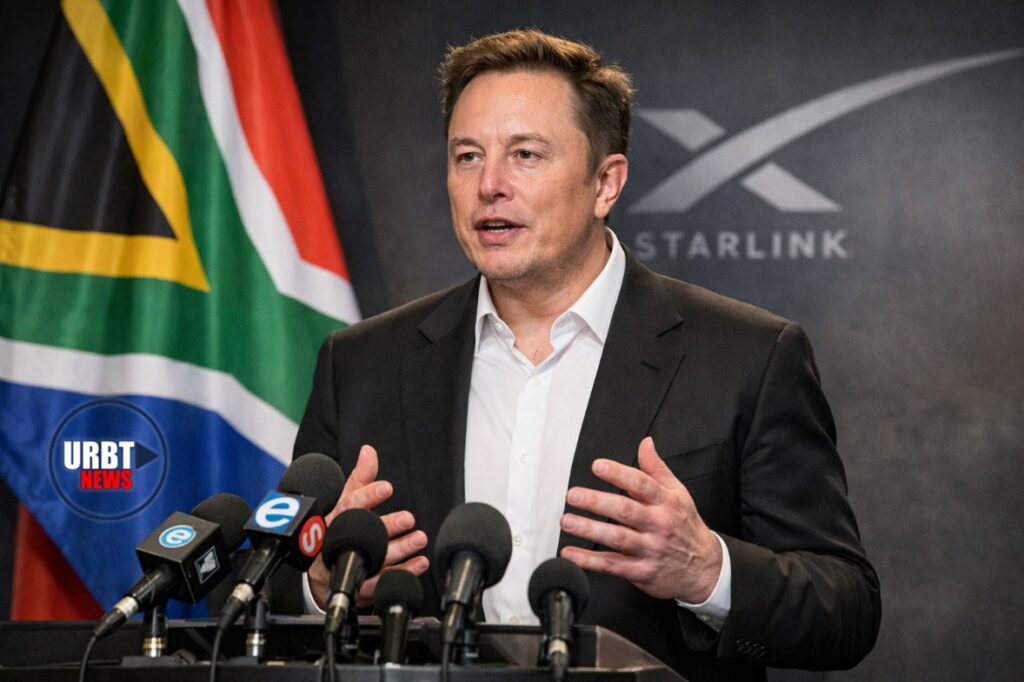
The Core of the Dispute
The tension centers on South Africa’s BEE policies. BEE stands for Black Economic Empowerment. These policies address historical inequalities from Apartheid. The laws often require foreign companies to meet ownership thresholds. These thresholds involve historically disadvantaged groups.
According to Musk, these requirements blocked Starlink. He does not meet the racial ownership criteria. His remarks gained traction on social media. Supporters framed the issue as discriminatory. Critics argued the policies are necessary for economic redress. Elon Musk Claims South Africa Blocked Starlink Because He’s “Not Black”.
South Africa’s Regulatory Position
Officials in South Africa have not endorsed Musk’s framing. Regulators emphasize all providers must comply with licensing rules. Agencies like ICASA govern these rules. ICASA is the Independent Communications Authority of South Africa.
These rules include ownership, spectrum allocation, and local partnerships. They also include compliance with national infrastructure standards. Government representatives suggest Starlink has not completed the full process. This process is required to operate legally within South Africa.
Why Starlink Matters
Starlink, developed by SpaceX, delivers high-speed internet. It uses a network of low-Earth orbit satellites. The service impacts rural and underserved regions. These regions often lack traditional broadband infrastructure.
In Africa, connectivity gaps remain significant. Starlink could provide faster internet in remote communities. It could also lower infrastructure costs compared to fiber expansion. It could expand access to education, healthcare, and digital commerce.
Supporters argue that blocking Starlink delays economic growth. It reinforces the digital divide in South Africa. Access to technology is critical for future opportunities. This access can create a more level playing field.
Critics Push Back
Critics of Musk’s claim argue his interpretation is too simple. They point out many international companies operate successfully. These companies comply with BEE requirements. They do this through local partnerships or equity-sharing arrangements.
Some analysts note Musk was born in South Africa. They suggest he may be using the controversy. He could be drawing attention to broader debates. These debates involve race, business, and globalization. Elon Musk Claims South Africa Blocked Starlink Because He’s “Not Black”. Others argue his comments risk inflaming tensions.
A Broader Global Debate
The situation reflects a larger global conversation. Countries must balance foreign investment with domestic economic inclusion. Policies similar to BEE exist worldwide. These often require local ownership stakes or community reinvestment. These stakes ensure local communities benefit from development.
The Musk-Starlink dispute introduces a new dimension. This dimension is the role of critical infrastructure like internet access. When connectivity becomes essential, decisions carry higher stakes. These decisions dictate who can provide internet access.
What Happens Next
The path forward depends on Starlink’s willingness to adapt. It may need to meet South Africa’s regulatory requirements. This could involve partnering with local companies. It could also mean adjusting ownership structures. It might require navigating licensing processes with ICASA.
Alternatively, the dispute could escalate. It could become a broader diplomatic or economic issue. This is particularly true if it gains traction among investors. It could also get attention from international policymakers.
The Bottom Line
The controversy highlights a tension. This tension exists between innovation and regulation. Musk’s claim has amplified scrutiny. It highlights South Africa’s policies. It also raises questions about governing emerging technologies. This is especially important in historically complex environments.
Whether Starlink enters the South African market remains uncertain. The debate underscores a critical issue. This issue is who controls access to the digital future. The debate also covers under what terms this access is granted.
Elon Musk | Starlink | South Africa | BEE | Black Economic Empowerment | ICASA | SpaceX | internet access | digital divide | regulation | technology
ElonMusk #Starlink #SouthAfrica #BEE #TechNews #Innovation #Regulation #DigitalDivide #Africa #InternetAccess