

World Health
Hantavirus Cases Spark Public Health Concerns Across the United States in 2026
Hantavirus is drawing renewed concern in 2026. How the rodent-borne virus spreads, the symptoms to watch for, and how to protect your home and family. Continue Reading Hantavirus Cases Spark Public Health Concerns Across the United States in 2026

Hantavirus Cases Spark Public Health Concerns Across the United States
Overview
Health officials are monitoring emerging infectious diseases with vigilance. Hantavirus has returned to public attention following recent warnings. Medical experts and environmental agencies are sharing renewed concerns nationwide. While the virus remains rare, its high fatality rate is alarming.
Related: The Bird Flu in America: Music Producer Rasheed Lateef Talks About His Experience | Public Restrooms: Staying Safe During a Pandemic
The virus spreads through contact with infected rodent waste. This includes urine, droppings, or saliva, posing serious health risks. People often encounter it while cleaning enclosed spaces with poor ventilation. Garages, sheds, barns, cabins, attics, and abandoned buildings are common sites. Medical researchers say danger rises when contaminated particles become airborne. This happens during sweeping or vacuuming.
According to the Centers for Disease Control and Prevention (CDC), infections remain uncommon. However, they become extremely dangerous when respiratory distress develops. Health experts stress prevention and early awareness as critical measures. Currently, no specific cure exists for this frightening disease.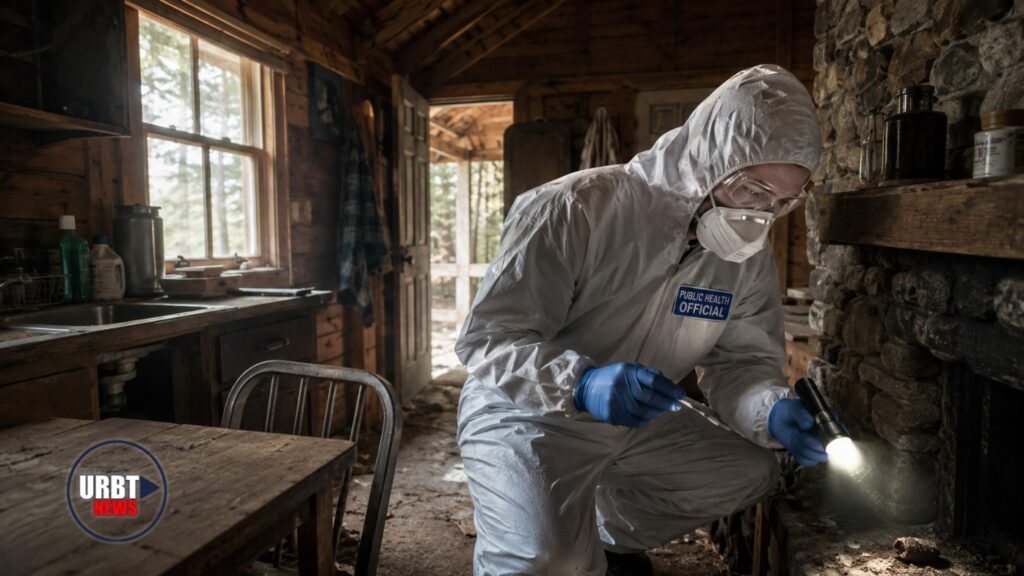
What is Hantavirus?
Hantavirus refers to a family of viruses carried by several rodent species. It is found across North America, Europe, Asia, and South America. In the United States, the deer mouse serves as the primary carrier. Human infections are frequently connected to this rodent. Rural regions and desert communities face higher exposure risks. Larger rodent populations and environmental conditions favoring infestation increase the risk. Hantavirus Cases Raise New Public Health Concerns Across the United States require better public awareness.
Hantavirus Pulmonary Syndrome (HPS) is the illness most associated with the virus. It is a severe respiratory disease, often abbreviated as HPS in medical literature. This syndrome can progress very rapidly after initial symptoms manifest. Patients initially experience fatigue, fever, muscle aches, headaches, and nausea. Abdominal pain can also occur before breathing complications arise.
Doctors warn that the respiratory phase may arrive very suddenly. It often happens within days of early flu-like symptoms appearing. Once the lungs start filling with fluid, hospitalization is frequently required. Intensive care support is essential for most patients at this stage. Public health officials estimate mortality rates can reach nearly 40 percent. The rates occur in severe cases.
Why Experts Are Concerned
Medical experts suggest climate shifts increase exposure risks. Human expansion into wildlife areas poses a similar danger. Rising rodent activity in certain regions also contributes. Heavy rains and changing weather patterns drive up rodent populations. Western states, where hantavirus historically appears, are particularly affected.
Health agencies worry that many Americans are still unaware of the virus. This lack of awareness continues despite its seriousness and potential health impact. Unlike common seasonal illnesses, hantavirus infections can deteriorate rapidly. Patients may initially think they caught the flu. Later, they experience severe respiratory complications. This often demands emergency medical intervention.
Researchers are actively studying how environmental conditions impact outbreaks. While person-to-person transmission remains rare, experts advise caution. Caution is needed when handling contaminated materials or entering spaces. Spaces showing evidence of rodent activity create serious risks. Public awareness campaigns emphasize safe cleaning procedures.
Recognizing the Symptoms
One reason hantavirus creates medical concern is identifying early symptoms. During the first stage, patients report exhaustion and fever. Dizziness, vomiting, muscle pain, and chills are also frequent symptoms. These symptoms strongly resemble influenza, COVID-19, or other respiratory infections. This resemblance complicates the initial diagnosis process.
As the illness progresses, coughing and shortness of breath usually develop. Some patients describe a tightening sensation around their chest. Breathing becomes increasingly difficult as the disease worsens. Emergency physicians emphasize rapid deterioration as one of the disease’s most dangerous characteristics.
Doctors encourage immediate medical evaluation for anyone. This applies to those experiencing respiratory symptoms after potential rodent exposure. Early supportive treatment can significantly improve survival chances. Although no specific antiviral medication cures the infection, medical care helps. About Hantavirus can be found on the CDC website.
Prevention is Key
Health agencies continue to emphasize prevention strategies. Prevention remains the most effective protection. Property owners should seal openings to prevent rodents from entering structures. This includes homes, garages, sheds, and storage buildings. Food sources should be secured inside tightly sealed containers. Securing them discourages rodent infestation and potential disease spread.
Cleaning procedures also matter enormously for public health and safety. Experts recommend spraying contaminated areas with disinfectant. Surfaces should be wiped carefully using disposable materials. Vacuuming or sweeping dry rodent droppings should be avoided entirely. These activities can release dangerous airborne particles. It is important to minimize exposure risks.
Campers and outdoor workers face additional risks in specific environments. Sleeping near rodent habitats or entering abandoned structures increases dangers. Officials encourage travelers to inspect cabins, trailers, and campsites thoroughly. They should inspect them before use, especially in rural regions where rodent populations remain active.
Although hantavirus infections remain uncommon, awareness could save lives. Public health experts stress understanding exposure risks. Recognizing symptoms quickly and following proper cleaning procedures is vital. Doing so significantly reduces the chances of severe illness. This dangerous rodent-borne virus requires diligence and caution for safety.