

Gaming & Tech
Is Pragmata Making Men Want to Be Fathers? A Gaming Culture Shift

Is Pragmata Making Men Want to Be Fathers? A Gaming Culture Shift
Overview
There’s a subtle shift happening in gaming culture right now. It’s not just about graphics or gameplay mechanics we see. It involves emotion and responsibility which Capcom tapped into with Pragmata. The mysterious sci-fi title is quietly shaping a new male narrative in gaming. Instead of lone-wolf heroes, the game introduces a protective dynamic. This is between a grown man and a young girl in the game’s world.
That specific dynamic seems to trigger something unexpected in many players. It’s a renewed interest in fatherhood among male players online today. At its core, this phenomenon truly revolves around identity for many. Games possess the capability to influence how players see themselves. Pragmata offers masculinity rooted in guidance and connection. This is in contrast to the traditional dominance often seen.
A Different Kind of Hero Emerges
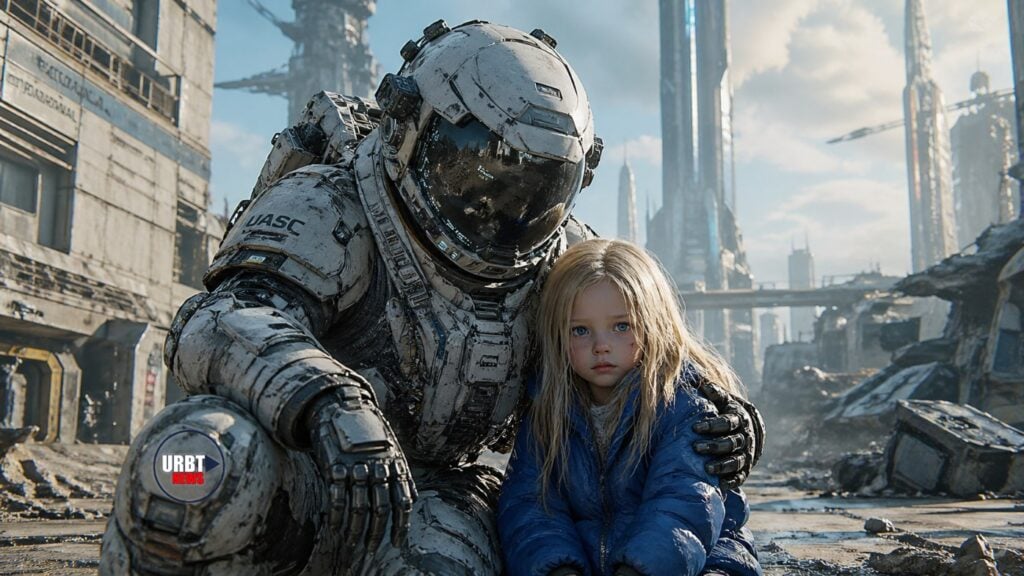
In Pragmata, players meet a lone astronaut exploring a futuristic world. The world might even be abandoned by its creators long ago. He does this alongside a young girl. Early footage shows that survival relies on cooperation instead of brute strength. The girl isn’t portrayed as a burden to the main character; she’s essential.
This concept flips a long-standing trope commonly found within the gaming world. We can compare it to titles like The Last of Us to understand. The emotional bond between Joel and Ellie redefined storytelling capabilities. Also consider God of War, where Kratos changes into a learning father. Kratos transitions away from being a rage-filled warrior. Pragmata seems to follow this path with emotional weight.
Why This Type of Game Resonates With Men
There’s a psychological angle that needs examining closely for understanding the full picture. For many years, mainstream media portrayed masculinity through conquest and independence. But modern storytelling is shifting toward relational identity in many ways. This shift is especially true in gaming and other forms of interactive media.
In Pragmata, the male character is not defined by his conquests or achievements. He is defined by the person he protects throughout the game. This distinction matters greatly for many people. It introduces responsibility over power for the players. It also highlights connection over isolation and legacy over mere survival.
For many men, especially younger audiences, this creates a mental simulation. It feels like a simulation of fatherhood in a virtual environment. They feel the need to be needed and trusted by the young girl. Games are uniquely powerful here, more than many people initially believe. Unlike movies, players actively make decisions and protect others. They fail and then try again repeatedly, learning from their mistakes.
The Rise of “Protective Masculinity” in Media
Pragmata seems to tap into “protective masculinity,” which is a newer concept. It’s a model where strength expresses itself through care instead of control. This shift isn’t brand new, but it’s becoming more mainstream today. Across entertainment, we see fathers portrayed as more emotionally present. We also see male leads who are more vulnerable than ever before.
Strength now includes patience and guidance in character development. Games like Pragmata don’t just reflect this shift in storytelling today. They actively accelerate it for new audiences everywhere. The game presents many opportunities to build relationships. For some players, the experience surfaces desires for stability and family. Some even seek a purpose beyond just themselves.
It would be premature to suggest that a single game can change life decisions. Trends rarely emerge from just one singular source available today. They usually stem from different patterns from various forms of media. Pragmata fits well into this broader pattern across gaming and entertainment.
Culture Shift or Just Good Storytelling?
When multiple high-profile titles emphasize father-child dynamics today, it normalizes the identity. It makes fatherhood more visible and aspirational for players. Also, it frames fatherhood as emotionally rewarding for the main character. Importantly, it reframes it as something active, rather than remaining passive. The game encourages players to take initiative.
Direct causation remains difficult to prove with scientific certainty currently. However, interactive storytelling shapes the emotional perspectives that players hold. Also, Pragmata reinforces nurturing roles that resonate with many players today. Earlier titles emphasized independence in combat situations for main characters. Is Pragmata Making Men Want to Be Fathers? Pragmata leans into interdependence and emotional stakes that can occur during gameplay.
Media significantly shapes the identity of individuals in modern society. When masculinity includes caregiving and emotional depth, that expands views. It expands how men see their roles in society and the traditional family structures. Players are learning new approaches to interacting with others.
Pragmata isn’t marketed as a story specifically about fatherhood or family relationships. But that undertone proves difficult to ignore when playing the game. By placing men in roles requiring protection and patience, it offers something rare. It’s a vision of masculinity tied to the concept of genuine care. So I’m curious… How does this game make people want to become parents? Whether intentional or not, that vision is definitely landing successfully with viewers today.
For some players, it’s not just changing how they play video games in their free time. It’s also changing how they actively think about their overall future.