
Gaming & Tech
RAM Prices Skyrocket: Decoding the Surge and Predicting Future Trends

RAM Prices Skyrocket: Decoding the Surge and Predicting Future Trends
Overview
Computer memory prices are rapidly increasing. Consumers and industry analysts are both surprised by this surge. The cost of DDR4 and DDR5 modules has sharply risen in the past nine months. Some configurations have doubled in price compared to late 2024 levels. This spike affects retail shelves, OEM contracts, and cloud providers.
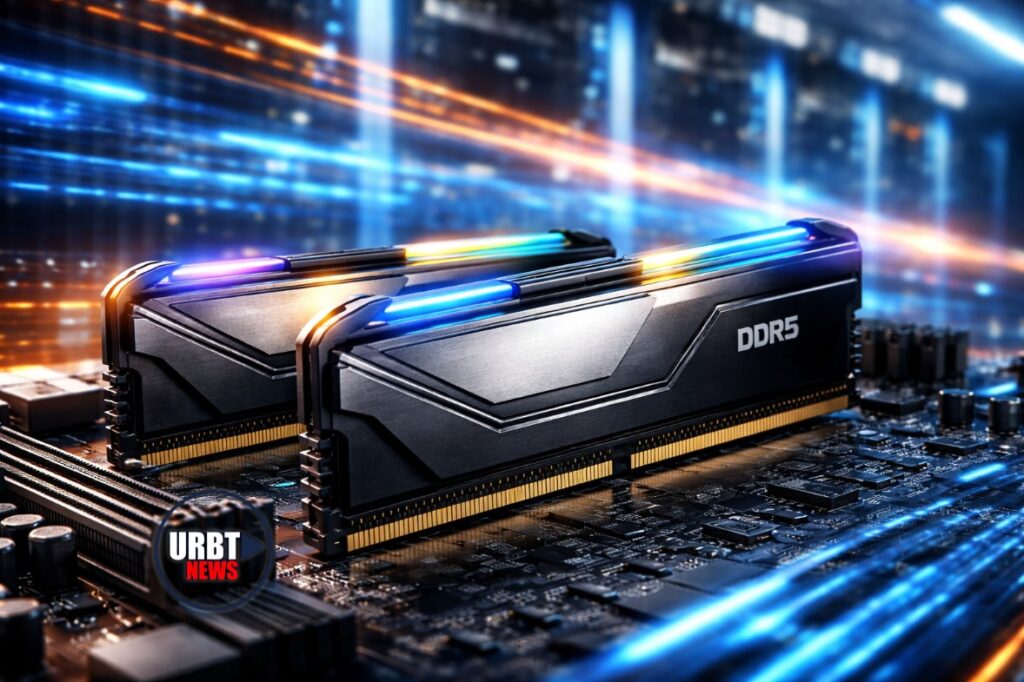
Supply Tightening Impacts RAM Prices
The core driver is reduced DRAM production. Major chipmakers cut capacity during the 2023–2024 downturn. PC and consumer electronics demand weakened at that time. Manufacturers like Samsung, SK Hynix, and Micron cut wafer starts. They limited inventory buildup to stabilize falling prices. This action set the stage for scarcity as demand returned.
By mid-2024, data center and AI workload demand quickly accelerated. High Bandwidth Memory (HBM) production increased rapidly. This diverted capacity and engineering resources from standard DDR modules. HBM gained priority due to its role in GPU acceleration. Traditional DRAM types entered constrained supply conditions as a result. Suppliers have not yet restored full production. Lead times continue to extend for several product lines.
AI and Cloud Fuel Memory Demands
The rise in large-scale compute deployments is another major factor. Data center operators upgrade memory to support heavier virtualization. They also upgrade for LLM inference and AI-based analytical workflows. Systems now ship with larger memory footprints than before. This trend is visible in enterprise virtualization clusters. Memory density acts as the primary scaling limiter here.
Cloud service providers are also driving the surge in RAM prices. Their consumption is consistent, large-volume, and price-tolerant. Memory costs amortize across service tiers, making it worthwhile for them. RAM Prices Are Skyrocketing: What’s Driving the Surge and How Long It May Last. This, combined with the HBM shift, creates competition for resources. Retail and DIY segments face higher prices and unreliable stock.
DDR5 Transition Costs Increase Market Pricing
The shift from DDR4 to DDR5 also raises market prices. DDR5 modules cost more to produce. On-module power management and tighter tolerances contribute. Manufacturers use the transition to optimize margins. DDR4 profitability declined after years of commoditization. Motherboard and platform transitions accelerate this trend.
Intel’s recent platforms primarily ship with DDR5 support. AMD’s AM5 platform is DDR5-only, too. System builders who delayed upgrades now enter the market. They find prices significantly higher than they recall. This affects both consumers and enterprise buyers.
Impact on Consumer and Enterprise Sectors
The consumer PC segment faces direct pressure because of the changes. Budget gaming builds see percentage increases. These increases change the total system cost considerably. Memory kits available for under $60 now cost closer to $100. High-speed DDR5 kits now approach $200–$220. These kits previously sold for around $120.
Laptop users face a separate problem with soldered memory. OEMs pass increased DRAM pricing into device MSRP. This limits consumer upgrade options later on down the line. Entry-level and mid-range laptop prices have crept upward. They narrow the gap between consumer segments. This reduces value options at lower price points.
Enterprise buyers are also encountering cost increases. Memory-bound operations are hit especially hard. Virtualization clusters and edge servers depend heavily on RAM density. Performance trade-offs become difficult because of the rising prices. Organizations needing deterministic latency cannot allocate less memory. This is particularly true for financial systems.
Future Price Predictions
Forecasts indicate elevated RAM pricing through most of 2026. Prices might moderate entering 2027. Key variables include DDR4 and DDR5 wafer starts. Other variables include HBM node transitions and AI server deployment rates. Consumer PC refresh cycle patterns also matter a great deal.
Is RAM the new Bitcoin? DDR4 memory prices are rising so fast, some tracker graphs are running out of space – and I fear 2026 could well see a 10x price rise. Overproduction is the only thing that would quickly reverse pricing. Manufacturers are reluctant to return to the boom-bust cycle of the past. Steep price cuts are unlikely without a demand shock.
Frequently Asked Questions
Why are RAM prices increasing so rapidly?
Reduced DRAM production, high demand for AI-related memory, and the transition to DDR5 are primary factors.
How long will RAM prices remain elevated?
Experts predict high prices through 2026, with possible moderation beginning in 2027.
What can consumers do to mitigate the rising cost of RAM?
DIY builders should buy only the capacity needed now. Enterprises can evaluate containerization and resource scheduling to save money.
How are laptop prices affected by the RAM price increase?
OEMs are passing increased DRAM pricing into laptop MSRPs, impacting entry-level and mid-range models.
What strategies can enterprises use to cope with higher RAM costs?
Enterprises can explore memory-efficient architectures. Options include containerization and memory tiering. Workload shifting is also an option.
RAM prices | DDR4 | DDR5 | memory prices | DRAM | AI | cloud computing | PC gaming | enterprise | tech news
RAM #DDR5 #PCGaming #TechNews #Tech #AI #CloudComputing #MemoryPrices