

World News
Iran Protests: Death Toll Rises Amid Internet Blackout

Iran Protests: Death Toll Rises Amid Internet Blackout
Overview
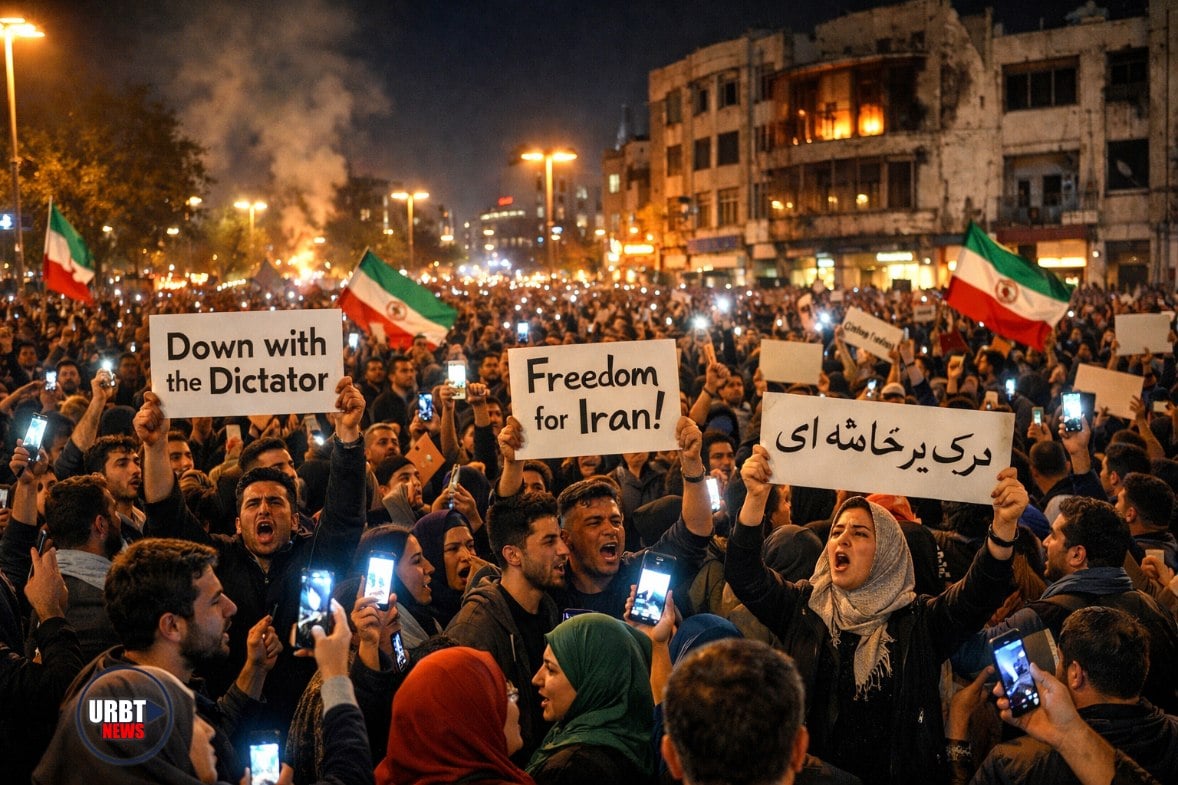
Iran is currently experiencing widespread anti-government protests, marking a significant challenge to the Islamic Republic’s authority. The protests initially began because of economic grievances. They quickly evolved into a broader movement against the ruling establishment. Authorities are responding aggressively, and the situation continues to escalate.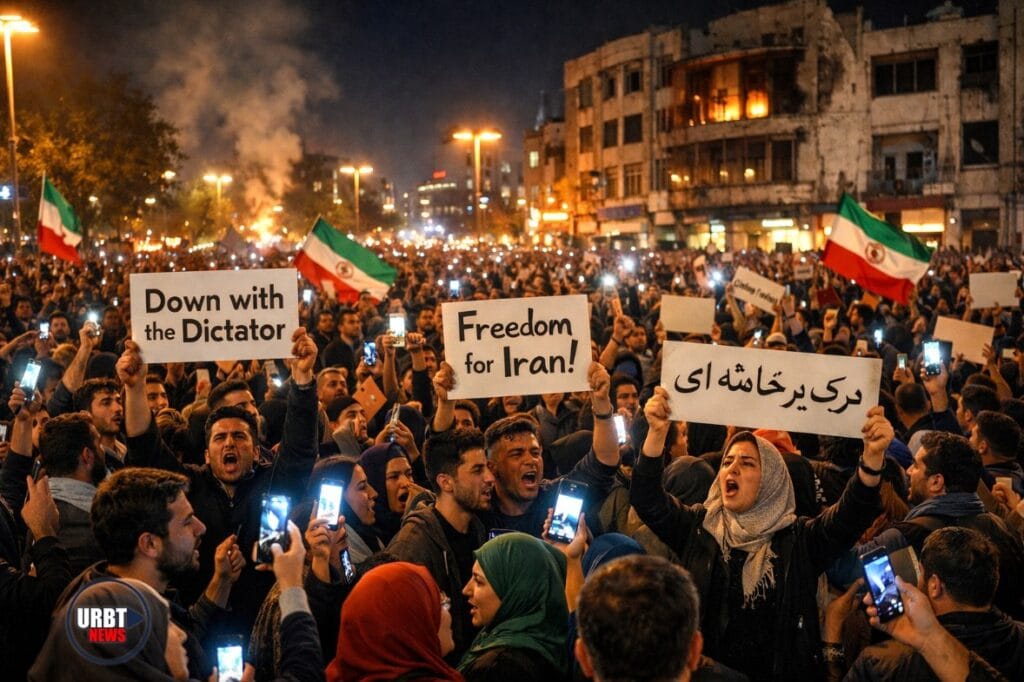
Protests Erupt Across Iran
The unrest started in late December 2025, stemming from a sharp decline in the Iranian rial’s value. Widespread economic hardship fueled the initial demonstrations. Protests in Tehran’s historic bazaar quickly escalated beyond economic concerns. Many protesters called for political change and resisted the entrenched clerical rule. Within days, protests spread across all 31 provinces. Major cities like Mashhad, Isfahan, Shiraz, and Qom saw significant demonstrations. Smaller towns and industrial areas also experienced unrest. You can follow Iran Protests Spread, Death Toll Mounts Amid Internet Blackout for updates.
Government Response: Internet Blackout
Iran’s government has implemented a severe crackdown to suppress the protests. On January 8, 2026, authorities imposed a near-total nationwide internet blackout. The blackout effectively isolated Iran from global communications. It hinders independent reporting on the protests. NetBlocks, a monitoring group, confirmed that internet access plummeted to a tiny fraction of normal levels. This blackout has severely restricted social media and news flow. It limits both internal coordination among protesters and external visibility.
Human Rights Concerns and Casualties
Human rights organizations have strongly condemned the internet blackout. They see it as a deliberate attempt to conceal state violence. Amnesty International argues that cutting off digital communications violates human rights. They say the blackout hides the extent of lethal force used against demonstrators. There are reports of unlawful killings and mass arbitrary arrests. Security forces allegedly used live ammunition against largely peaceful crowds. Casualty figures are highly contested due to the blackout. Official Iranian state counts are far lower than those cited by independent monitors. The Iran protests spread, death toll mounts amid internet blackout, creating a difficult and dangerous situation.
Government Accusations and International Response
Supreme Leader Ayatollah Ali Khamenei claims foreign adversaries orchestrate the unrest. He specifically blamed the United States and Israel. Khamenei vowed that authorities would not back down. He accused demonstrators of acting as “mercenaries” for external powers. Prosecutors threatened death penalties for participants deemed to be waging war against the state. The United States has expressed support for the protesters. President Trump signaled potential consequences if the government escalates violence. Key U.S. lawmakers and European officials have also criticized Iran. They urged sanctions and accountability measures against the Iranian government.
Protestor Tactics and Future Outlook
Despite the internet blackout, protest organizers adapt. They use alternative communication channels and covert methods. Some demonstrators attempt to use unauthorized satellite internet terminals. The government is reportedly jamming GPS signals. This limits the effectiveness of these tools. Iranian opposition figures in exile urge citizens to sustain momentum. They frame the movement as a fight for fundamental rights. The combination of deaths, arrests, and communication blackouts underscores the severity of the instability. Whether the protest movement will maintain momentum remains uncertain. The rapid spread of unrest poses a significant challenge to the Islamic Republic.
Frequently Asked Questions
What triggered the protests in Iran?
The protests initially started due to a sharp collapse in the value of the Iranian rial. Widespread economic hardship fueled the initial demonstrations, which later evolved into calls for political change.
How has the Iranian government responded to the protests?
The Iranian government has responded with a severe crackdown, including a near-total internet blackout. They have also arrested thousands of protesters and used force to disperse demonstrations.
What is the international community’s reaction to the situation?
The international community is watching the situation with growing concern. The United States has expressed support for the protesters. Key U.S. lawmakers and European officials have criticized the Iranian government’s actions, and urged sanctions.
How has the internet blackout affected the protests?
The internet blackout has severely restricted social media and news flow. It limits both internal coordination among protesters and external visibility into the situation, making reporting difficult.
What is the current death toll from the protests?
Casualty figures are highly contested due to the blackout. Independent monitors suggest the death toll is significantly higher than official state counts. Reports say that the death toll is over one hundred.
Iran protests | anti-government protests | internet blackout | death toll | Iran | Islamic Republic | political unrest | human rights | Ayatollah Ali Khamenei | United States
IranProtests #InternetBlackout #HumanRights #Iran #URBTNews