Gaming & Tech
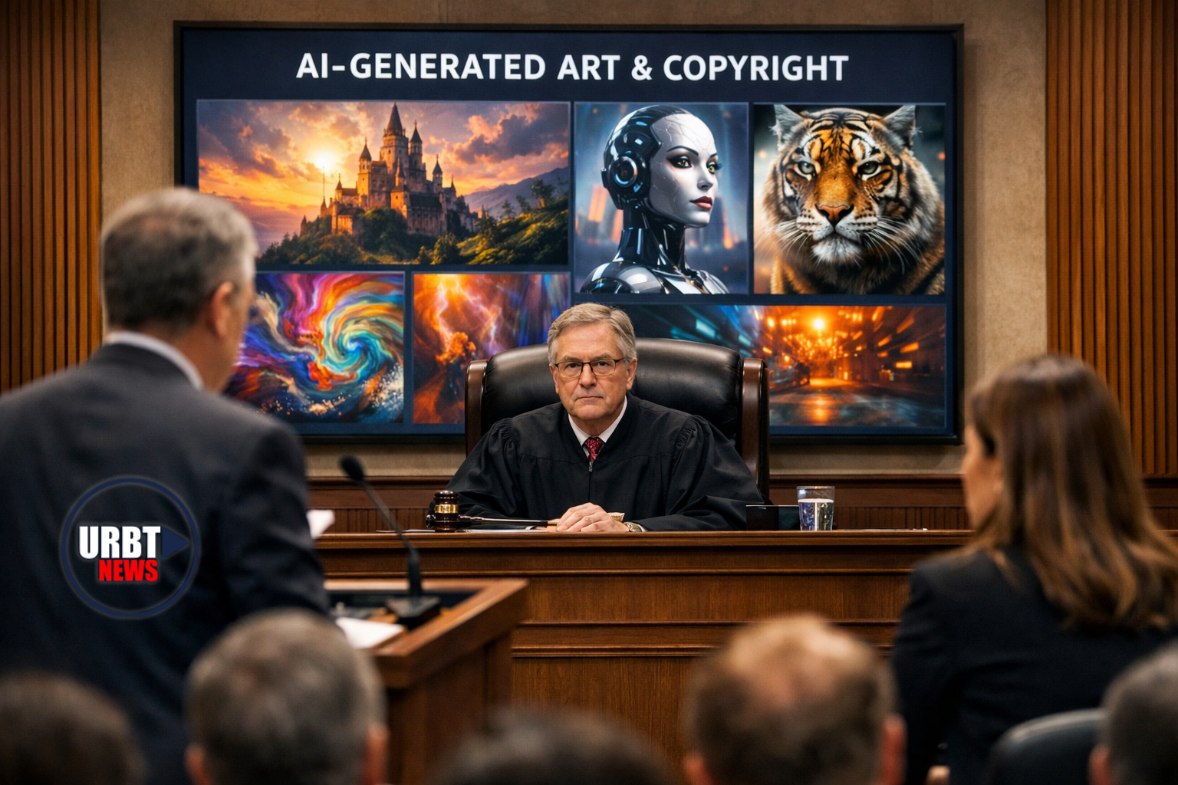
AI-Generated Art: No Copyright Protection Without Human Authorship

AI-Generated Art: No Copyright Protection Without Human Authorship
Overview
The legal landscape for artificial intelligence in creative industries has shifted. U.S. regulators clarified artwork generated entirely by AI cannot get copyright protection. This ruling reaffirms copyright protects human authorship and not machine output.
Human Authorship is Essential
The U.S. Copyright Office states copyright protects “the fruits of intellectual labor.” This protection extends only to works created by human beings. Algorithms, regardless of sophistication, do not meet this definition. Copyright law stems from the idea of human creativity.
The Constitution grants Congress the power to protect writings of “authors.” Courts interpret “author” as a human creator. Cases involving non-human creators support this interpretation. Animals cannot own copyrights because they lack human intellect.
AI systems use training data, statistical modeling, and algorithms. Even with user prompts, AI independently decides composition and form. Regulators believe this independence lacks human authorship for copyright.
AI-Assisted vs. AI-Generated
The policy differentiates AI-created work from AI-assisted work. Human involvement can allow for copyright protection. Significant human shaping or editing makes it eligible. The key is meaningful creative control during the process.
For media companies and creators, these implications are substantial. AI-generated images and music may see widespread usage. Without copyright, this work lacks exclusivity. Competitors can copy or reproduce AI-generated works legally.
Digital publishers and agencies face new strategic concerns. If originality defines a brand, machine-generated output poses legal risk. The AI-Generated Art Officially Deemed Ineligible for Copyright Protection is something to consider. Disclosure of AI use is now required for copyright registration.
Court Cases Confirm the Policy
Legal challenges have tested these boundaries with AI. Courts sided with regulators in cases involving AI-generated images. These rulings reaffirm copyright does not apply to non-human creators. Judges state AI copyright requires congressional action.
Until lawmakers change definitions, human authorship remains crucial. This decision aligns the U.S. with global positions. Some countries explore other frameworks for AI intellectual property rights.
This ruling raises a paradox regarding intellectual property. AI systems can produce art quickly, but it exists in a legal gray area. Without copyright, these works may enter the public domain immediately.
Some feel this safeguard is essential for promoting human innovation. Copyright aims to incentivize human creativity, not systems made by corporations. Others feel the policy hurts investment in AI creative tools. Companies want exclusive rights and monetization models.
Guidance for Using AI Tools
Creators who use AI tools should carefully document their creative steps. To strengthen copyright claims, artists need to demonstrate original thought. This includes significant editing and transformation of AI output.
Human selection of AI elements is also important. The more humans guide and direct the work, the stronger the copyright argument. Media groups can adopt hybrid workflows using both AI and human control. This balances productivity and legal protection and makes processes more efficient.
What the Future Holds
Congress might revise copyright law to address artificial intelligence. Lawmakers face complex questions about limited protections for AI-generated works. Should developers hold these rights, or should no one hold the rights?
The message is clear. Current U.S. law does not protect fully autonomous AI art. Human creativity remains the legal basis for copyright. As AI evolves, legal systems will adapt to emerging technologies. Until then, human input remains the legal standard. The US Supreme Court declines to hear dispute over copyrights for AI-generated material.
Frequently Asked Questions
Can AI-generated art be copyrighted in the U.S.?
No, artwork created solely by artificial intelligence without significant human involvement cannot be copyrighted in the U.S.
Why does AI-generated art lack copyright protection?
Copyright law protects the “fruits of intellectual labor” created by human beings. AI algorithms, regardless of their sophistication, do not meet this definition.
What if a human uses AI as a tool to create art?
If a human significantly shapes, edits, or transforms AI output in a creative way, those human contributions may qualify for copyright protection.
What are the implications for businesses using AI to generate content?
If originality and ownership are central to a brand’s value, relying entirely on machine-generated output carries legal risk. Competitors can potentially copy or reproduce purely AI-generated works without legal consequence.
What should artists do to protect their work when using AI tools?
Artists should document their creative process. They should demonstrate original prompt development, editing of AI output, and independent creative decisions.
AI art | copyright | artificial intelligence | intellectual property | human authorship | legal ruling | AI-generated content | creative industries
AIArt #CopyrightLaw #ArtificialIntelligence #IntellectualProperty #TechNews #LegalNews #AICreativity #DigitalArt