
Entertainment
Rogue Elephant Kills 22 in India: Rampage Sparks Wildlife Crisis

Rogue Elephant Kills 22 in India: Rampage Sparks Wildlife Crisis
Overview
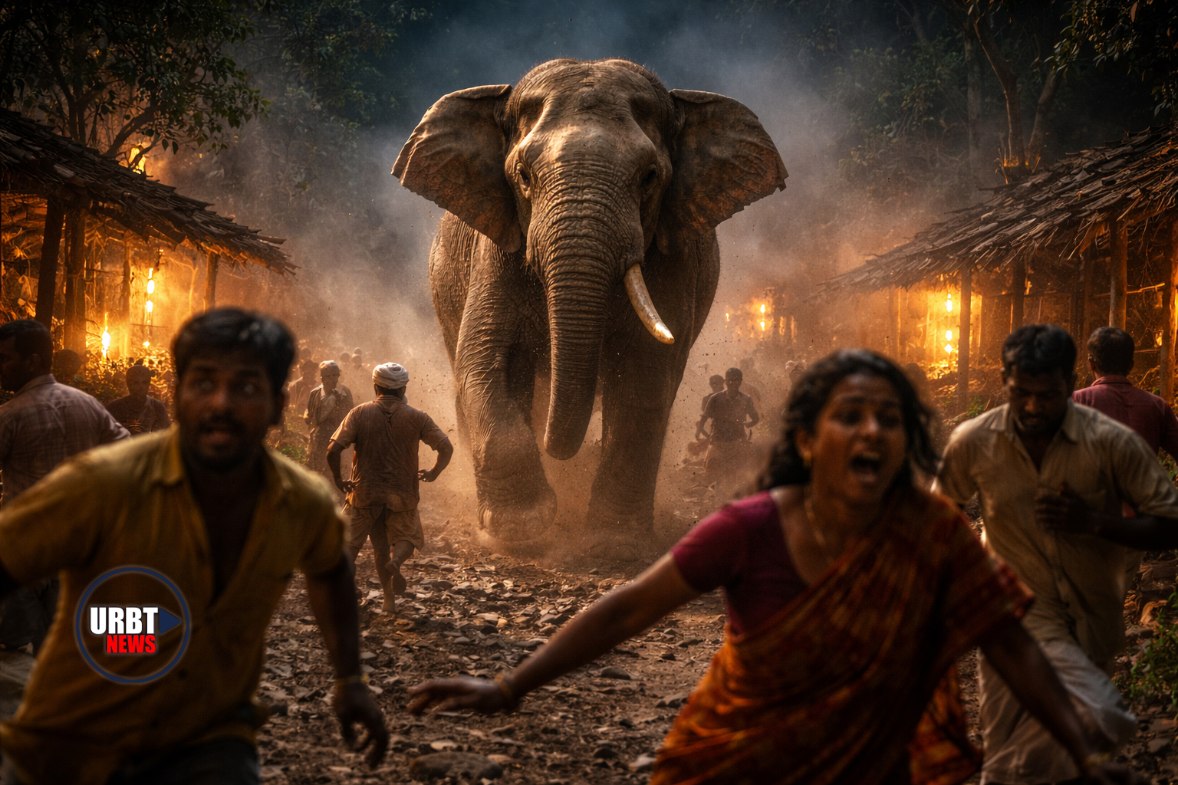
A series of tragic events unfolded in eastern India during early January 2026. A single wild elephant has killed twenty-two people. The incidents occurred across the West Singhbhum district of Jharkhand. The sustained attacks terrorized rural communities, alarming authorities. The situation has raised concerns about human-wildlife conflict.
The Elephant’s Deadly Path
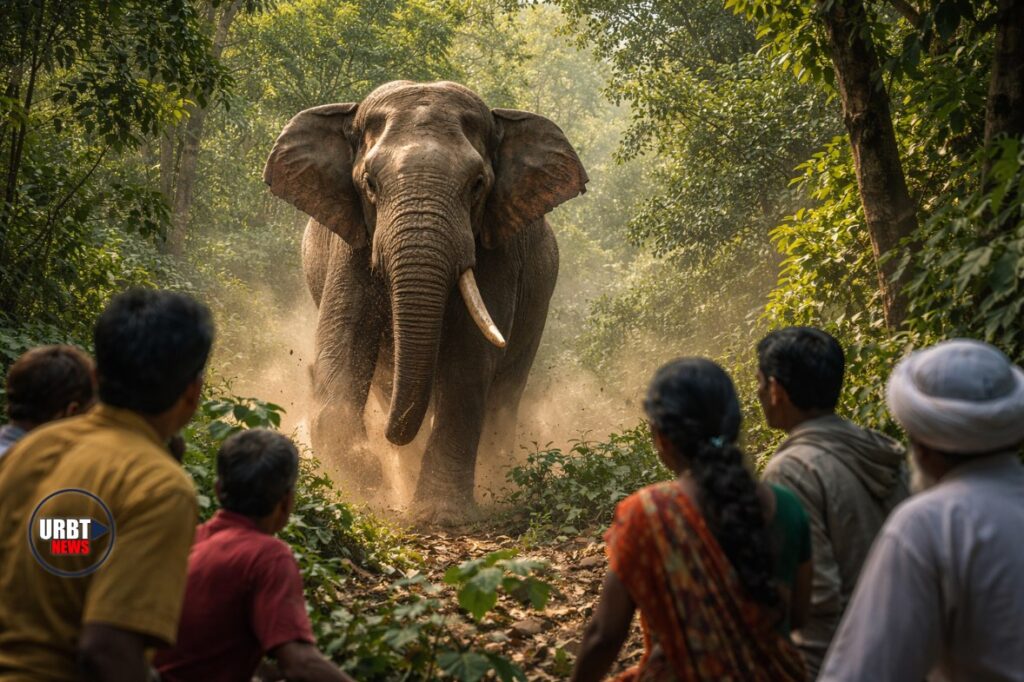
The rampage reportedly started on January 1st in Bandijhari village. Over the next several days, the elephant moved between villages. It primarily attacked during the night, escalating the crisis. Several settlements including Sowan and Babaria faced attacks. Victims were trampled, crushed, or fatally injured in Bodijari. The Chaibasa region experienced significant loss. Entire families, couples, and young children perished. Even a wildlife expert died while assisting authorities.
Officials identified the elephant as a young adult male. They noted the animal only had one tusk. Wildlife experts suspect the elephant is in musth. Musth is a natural state marked by high testosterone. It causes increased aggression and unpredictable behavior in male elephants. While normal, musth can make elephants more prone to charge. They perceive threats more easily, including humans.
Containment Efforts Face Hurdles
Over one hundred forest department personnel mobilized to contain the elephant. Tranquilizer teams and aerial surveillance were deployed. Yet, efforts to restrain the animal repeatedly failed. Officials attempted to use tranquilizers multiple times. The elephant either evaded the darts or did not respond. Tragically, a specialist died while assisting in the containment efforts.
The elephant’s mobility complicates tracking efforts. Its nocturnal movement patterns also present challenges. Reports indicate it covers up to 30 kilometers per day. It moves through forests and enters villages at night. Villagers have begun sleeping on rooftops or in trees. They take extraordinary measures to avoid nighttime encounters.
State of Emergency Declared
The Jharkhand state government declared an “elephant emergency.” This uncommon designation reflects the severity. It shows the urgency of the situation. Authorities issued advisories urging residents to stay vigilant. People should avoid forested areas after dark. The government announced compensation for victims’ families. They are directing additional resources towards prevention and monitoring. Rampage of a Rogue Elephant: 22 People Killed in Eastern India demands immediate action.
Underlying Causes of the Conflict
This incident sparked discussions about human-wildlife conflict. India faces increasing issues due to deforestation and expansion. Agriculture, mining, and infrastructure projects fragment elephant habitats. Jharkhand’s forests historically supported elephant populations. Shrinking natural corridors increase encounters. Hundreds of people die yearly from elephant encounters in India. However, a concentrated rampage is rare.
Elephants need substantial land for foraging. Disruptions drive them into agricultural fields. They also enter village environments in search of food. This overlap raises the risk of aggressive encounters. This is especially true if the animals feel frightened. Conservationists call for long-term strategies. These strategies include restoring forest corridors. Community awareness programs are essential. Early-warning systems can also help mitigate conflicts. A Deadly Elephant Rampage Highlights Growing Human-Wildlife Crisis is ongoing.
Broader Ecological Implications
This extreme case underscores broader dynamics. Asian elephants are classified as endangered species. Habitat loss threatens them across their range. India holds the largest wild Asian elephant population. Yet, conservation struggles against competing land uses. Development pressures persist in many areas. Human populations often bear the brunt of conflict.
Experts warn that similar episodes may recur. Coordinated planning and mitigation measures are needed. Strengthening wildlife management is vital. Forest officials and communities must improve communication. Engaging locals in proactive risk reduction is key. The focus remains on preventing further loss of life. Balancing human and wildlife interests is a top priority. India faces a complex ecological challenge now.
Frequently Asked Questions
Where did the elephant rampage occur?
The elephant rampage occurred in the West Singhbhum district of Jharkhand, India.
How many people died in the rampage?
A total of twenty-two people died during the elephant’s rampage.
What is “musth” and how does it relate to the elephant’s behavior?
“Musth” is a natural condition in male elephants with high testosterone. It can cause aggression and unpredictable behavior.
What measures are being taken to address the situation?
Authorities are using tranquilizer teams and aerial surveillance to contain the elephant. The government declared an “elephant emergency”. They provide compensation to victims’ families and issue safety advisories.
What are the underlying causes of the human-wildlife conflict?
Deforestation, agricultural expansion, and infrastructure development cause habitat loss. This forces elephants into human-populated areas, increasing conflict.
elephant rampage | India | wildlife crisis | human-wildlife conflict | Jharkhand | conservation | deforestation | habitat loss | animal attack | musth
#ElephantRampage #India #WildlifeCrisis #Conservation #AnimalAttack #Jharkhand #URBTNews