Entertainment
The Shifting Sands of Beauty – A History of the “Ideal” Woman

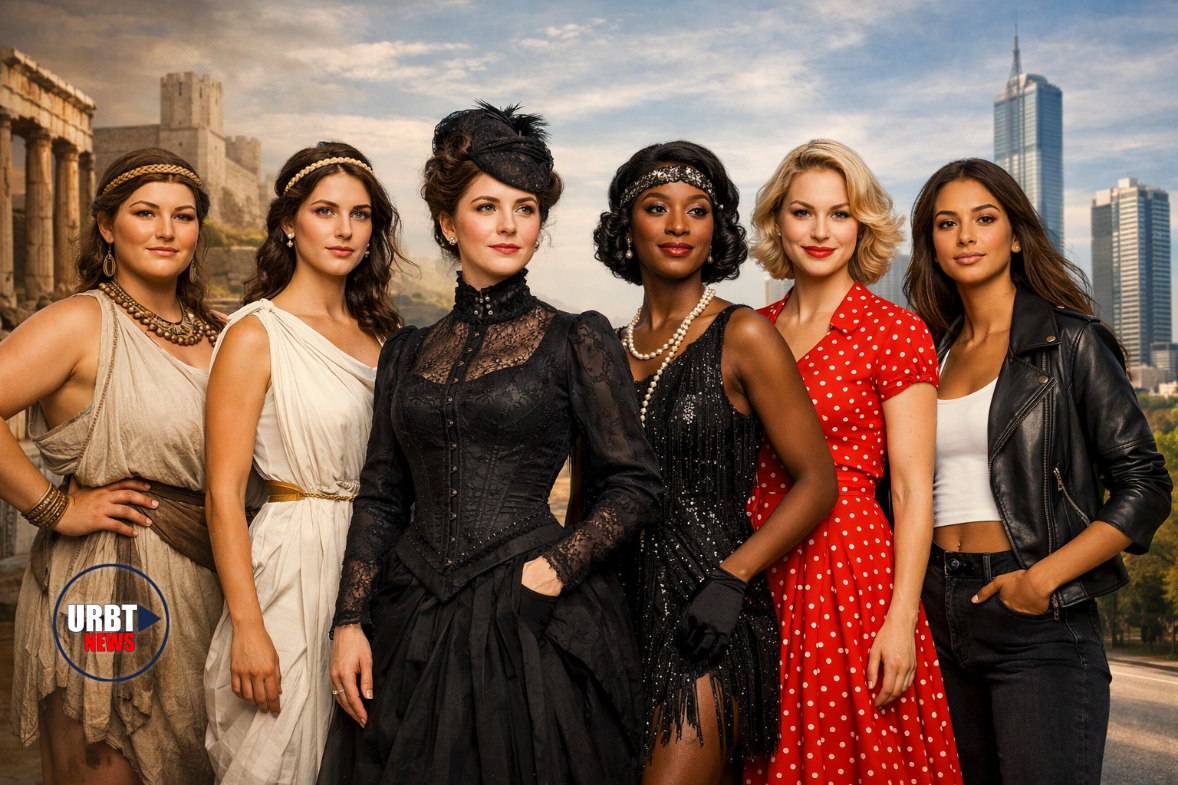
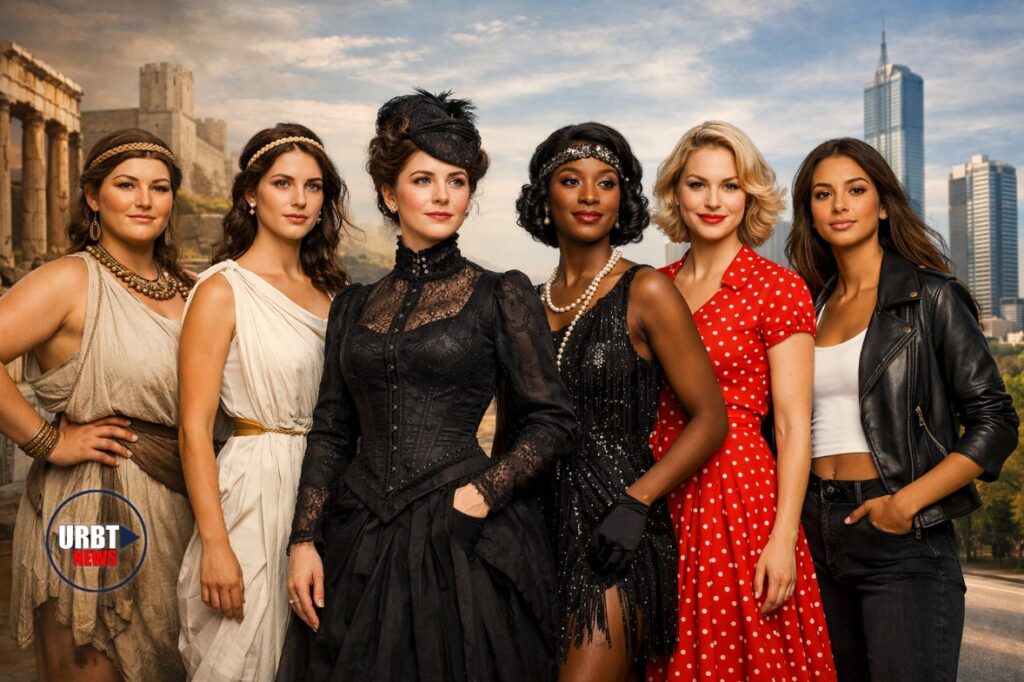
The Shifting Sands of Beauty – A History of the “Ideal” Woman. For centuries, societies have strived to define the “ideal” woman. These definitions were never neutral observations. They reflected power dynamics, economic realities, and religious beliefs. The pressure on women to conform to these ideals has remained constant.
Overview
Ancient Ideals: Fertility and Control
Ancient civilizations often linked the ideal woman to survival and fertility. Statues like the Venus of Willendorf showcased bodies capable of childbirth.. Survival depended on a woman’s ability to bear and raise children.
Greece in the old days expected women to be modest and quiet. They remained confined to their homes, prioritizing obedience over all else. Roman society followed similar patterns.
The ideal woman was rarely seen as an individual with her own aspirations. Society often viewed her as fulfilling a specific role within the community.
Medieval Ideals: Purity and Piety – The Shifting Sands of Beauty
Christianity’s rise in Europe shifted the ideal woman’s focus. Purity became more important than just childbearing, Virginity rose as the highest virtue, Women were categorized into two distinct archetypes: Madonna or temptress.
This division oversimplified women. Women often faced blame for inciting desire.
These historical frameworks continue to influence societal views even in the modern age.
The Victorian Era: Fragility and Refinement
Industrialization reshaped gender expectations in the 19th century. The ideal woman became delicate, pale, and highly restrained. Corsets physically altered women’s bodies, prioritizing an “ideal” shape. This severely restricted breathing and movement in the name of beauty.
A woman’s worth became linked to her appearance and respectability.
Beauty became a form of discipline for women, pushing them to conform.
The Digital Age: Endless Pressure
Social media amplified existing beauty standards in unprecedented ways. Today’s ideal woman must be fit yet curvy. The history of the ‘ideal’ woman and where that has left us shows an evolving set of expectations.
The media’s pervasive nature distinguishes the current era. Women constantly compare themselves to celebrities and peers. They often see curated, unrealistic versions of reality. The pressure has become relentless and deeply personalized for individuals.
Now, the ideal is a constantly moving target.
Redefining the Ideal: Autonomy and Self-Worth
Modern women face a complex reality. They have more rights and opportunities than previous generations. However, they often report higher anxiety, body dissatisfaction, and feelings of burnout. Progress has expanded expectations instead of diminishing them.
Movements promoting body positivity and gender inclusivity are challenging narrow views of worth. More women are questioning who truly benefits from the pursuit of these ideals. They examine who these ideals may be harming within society.
The central shift is internal. Women understand fulfillment comes from defining their own standards. The History of the “Ideal” Woman — And Where That Has Left Us, society is at a crossroads. The future ideal could be autonomy, or the freedom to exist without apology.
Many women are starting to question why they were ever told to be ideal. They are starting to prioritize their own happiness.
Frequently Asked Questions
How have ideals of women changed over time?
Ideals have shifted from fertility and domesticity to thinness and professional success. Each era reflects societal values and power structures. The ancient world focused on fertility. Victorian times emphasized fragility. Modern times push for impossible combinations.
Why is it important to understand the history of the “ideal” woman?
Understanding this history helps us recognize the constructed nature of these ideals. It also shows the pressures women face to conform. This knowledge empowers women to challenge expectations. They can define their own worth.
How does social media affect the “ideal” woman today?
Social media accelerates and amplifies existing beauty standards. It creates endless comparisons and personalized pressure. Filters and algorithms promote unattainable ideals. This contributes to anxiety and body dissatisfaction.
What are some ways women are challenging these ideals?
Women are embracing body positivity and gender inclusivity. They are having open conversations about mental health. They are questioning who benefits from narrow definitions of worth. They are also defining their own standards of success.
What is the future of the “ideal” woman?
The future ideal may prioritize autonomy and self-definition. Women might reject external validation. They can embrace their unique qualities without apology. The focus is on inner strength and personal fulfillment.
ideal woman | history of beauty standards | women’s roles | feminism | body image | social media | gender expectations | self-definition | autonomy
#IdealWoman #BeautyStandards #Feminism #BodyImage #SocialExpectations #HistoryOfWomen #SelfLove #Autonomy #URBTNews
The Shifting Sands of Beauty – A History of the “Ideal” Woman