
Sports
The WNBA Strike Failed: What Went Wrong and What Comes Next?

The WNBA Strike Failed
Overview
The WNBA players’ strike sought structural changes in compensation, scheduling, and marketing equity. The action grabbed media attention. The strike’s rapid collapse highlights challenges to the league’s growth. The core demand involved stronger financial commitment from ownership and the league office.
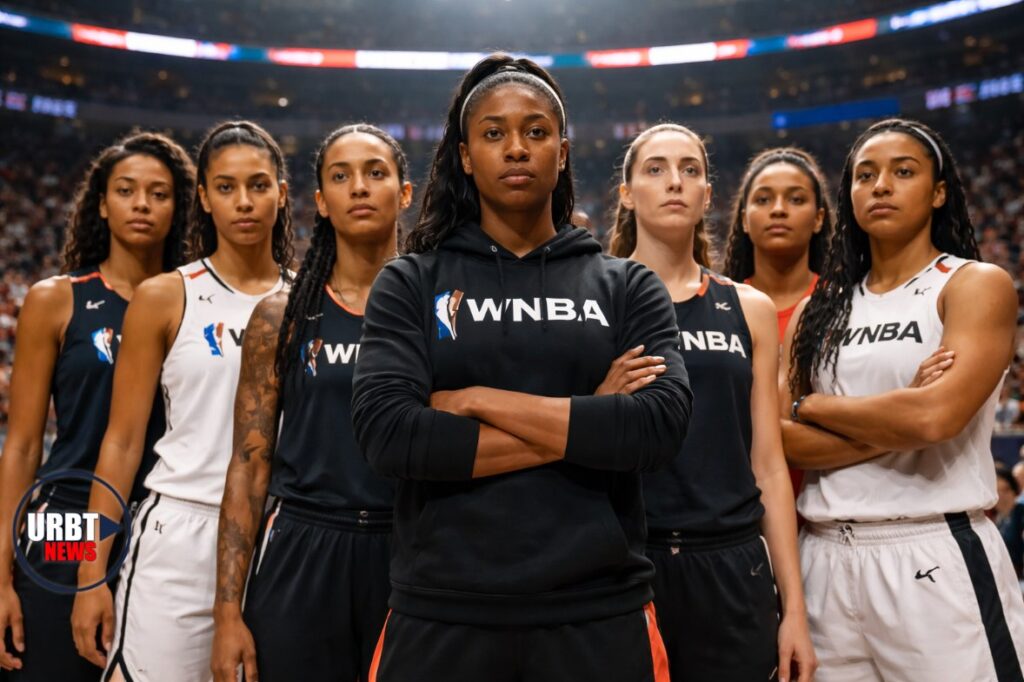
What the WNBA Strike Demanded
Players demanded higher base salaries, especially for bench players in the league. They wanted wider access to charter flights, vital for their health and performance. Guaranteed maternity-related protections also appeared on their list of priorities. They pushed for revenue sharing linked to broadcast contracts to improve their earnings. Better offseason opportunities were another key point of negotiation. These issues have repeatedly surfaced during bargaining cycles.
The strike assumed public awareness, improving ratings, and visibility would provide leverage. This was leverage they historically lacked. and What Comes Next attempted to capitalize on these factors. The players hoped this action would lead to meaningful change.
Why the Strike Lost Momentum
Sports labor actions require painful economic impact to force concessions from owners. The WNBA player pool lacked financial stability for prolonged work stoppages. Average WNBA salaries remain below major men’s leagues. Many players rely on overseas contracts to supplement their income. Effective strike preparation demands financial reserves and unified coordination. Both of these proved fragile from the beginning.
The league understood its financial position too. WNBA franchises have cultural presence but also dependent revenue streams. Broadcast deals are bundled with the NBA. Sponsorships remain smaller than in men’s leagues. Owners had patience and capital to wait out the stoppage. They correctly gauged the players’ lack of resources. The strike threat carried little weight without economic impact.
Public sentiment also failed to rescue the players in a meaningful way. Social media displayed vocal support, but it did not pressure league executives. It failed to influence sponsors or television networks. Modern labor movements depend on converting outrage into economic action. Viewership held steady. Sponsors did not withdraw. Networks felt no pressure to renegotiate contracts. Without this secondary pressure, the strike’s primary leverage disappeared.
The Lack of Institutional Support
Critical institutional allies were absent during the strike. The NBA did not get involved in any substantive way. Corporate sponsors kept their distance during the dispute. Sports unions from other leagues avoided direct support of the WNBA’s efforts. Successful labor actions often hinge on strong coalitions. Major League Baseball’s 1994 strike succeeded due to its strong union. NHL lockouts reshaped economics through unified owner resolve. The WNBA players lacked aggressive partners and internal unity.
Internal cohesion also suffered during this critical moment. Not all players supported a prolonged strike against the league. Veteran stars with endorsement income had different views than rookies. Overseas contracts complicated unity. Players risked losing international opportunities if the season stalled. Labor movements weaken when income disparities fracture leadership. The WNBA strike fractured early, allowing the league to withstand pressure.
The players then attempted to reframe their strike as symbolic. This shift signaled weakness to owners. Ownership viewed this pivot as a concession. Negotiations restarted. Leverage had vanished. The talks yielded minor improvements. But these fell short of the original demands. No new revenue sharing, charter flight guarantees, or salary floor changes emerged. WNBA labour talks expose the limits of women’s sport’s growth narrativ and the strike’s failure underscored this point.
What Happens Now?
The failure doesn’t erase the cause. Failed strikes often lay the groundwork for future movements. Players sparked national conversations about league compensation, media coverage, and the NBA’s support. Sponsors noted younger audiences responded to the labor narrative. Owners learned star players will test system limits. These factors could matter later.
Strategic reconstruction marks the next step for the union. Players need bargaining power. They must build financial reserves, expand union membership, and recruit corporate allies. These allies should support gender equity in sports. They also need to leverage star power, social media, and cross-league partnerships. Symbolic activism falls short without economic leverage. The WNBA strike failed because economics favored owners at all levels.
The league faces unresolved tensions. Ownership kept its financial model. Players showed willingness to confront it. The failed strike serves as a labor economics lesson. Cultural momentum doesn’t replace economic leverage. Solidarity without financial infrastructure cannot shift professional leagues.
Frequently Asked Questions
Why did the WNBA players go on strike?
WNBA players went on strike seeking improved compensation, better working conditions, and greater equity within the league. These areas affect player welfare.
What were the main demands of the WNBA players?
Key demands included higher base salaries, charter flights, maternity protection, revenue sharing, and improved offseason opportunities. These demands aimed at systemic change.
Why did the WNBA strike ultimately fail?
The strike failed due to a lack of financial leverage, limited institutional support, and internal divisions within the player pool. The league also maintained its financial footing.
What role did the NBA play in the WNBA strike?
The NBA did not actively intervene or support WNBA players during the strike. Their absence highlighted a key power dynamic within women’s professional sports.
What can WNBA players do to gain more leverage in the future?
Players need to build financial reserves, expand union membership, recruit corporate allies, and leverage the influence of their stars. This can improve future prospects.
WNBA | strike | labor | sports | compensation | salary | basketball | union | NBA | revenue | equity
WNBA #WNBAStrike #SportsBusiness #LaborRights #Basketball #WomensSports