
Gaming & Tech
Ford’s $5 Billion EV Investment: Aims to Reshape U.S. Production and Affordability

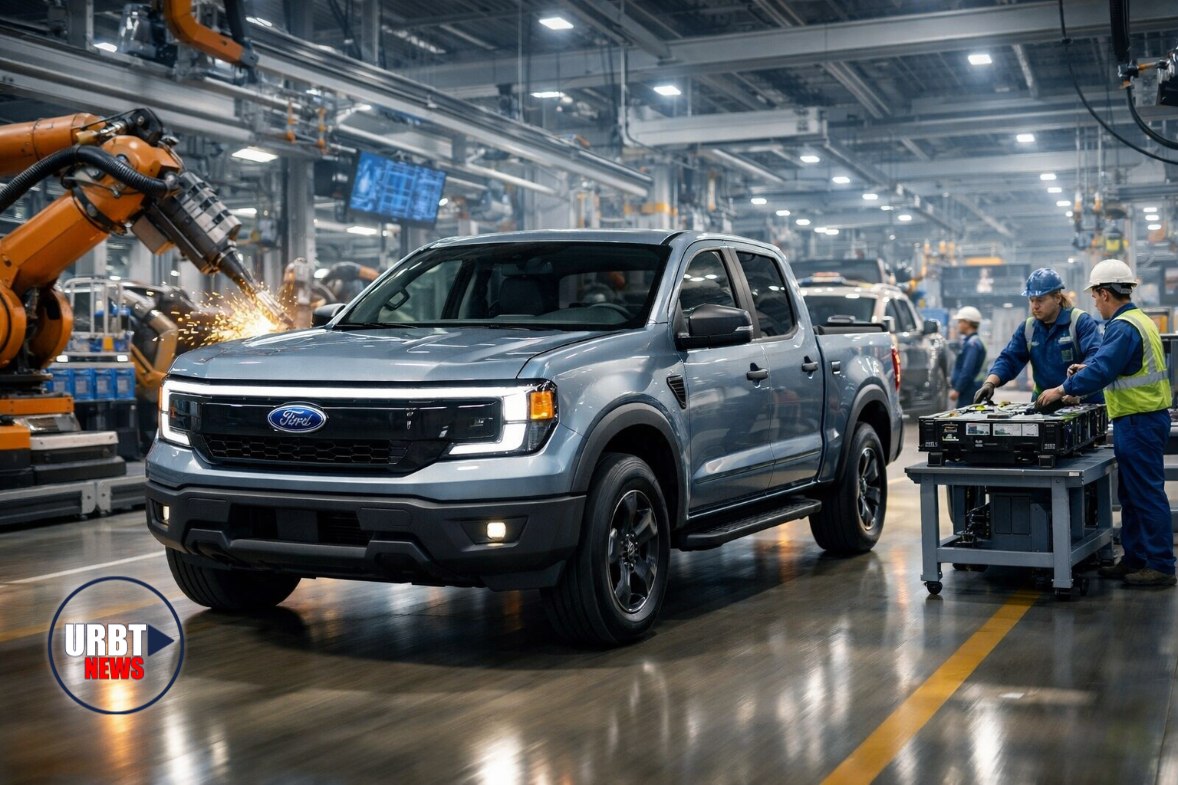
Ford’s $5 Billion EV Investment: to Reshape U.S. Production and Affordability
Overview
Ford Motor Company announced a bold $5 billion investment in U.S. electric vehicle (EV) production. CEO Jim Farley calls this the automaker’s “next Model T moment.” The company plans to reshape manufacturing, boost EV output, and create jobs. Ford seeks to deliver more affordable electric vehicles for consumers.
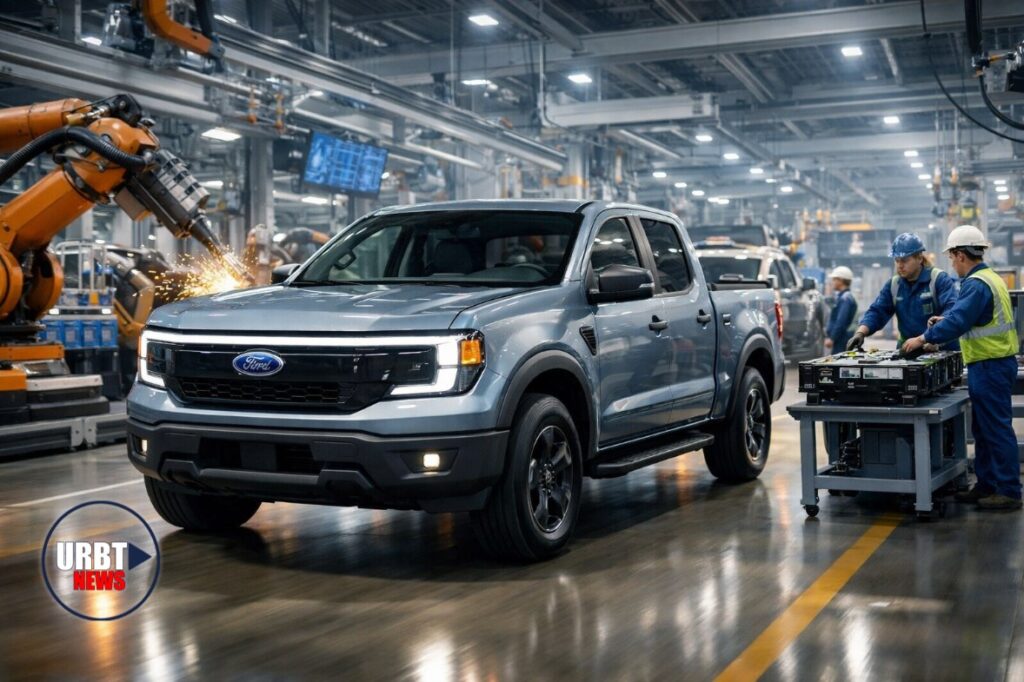
A New Vision for EV Manufacturing
Ford’s investment signifies a move beyond adapting existing models. They will focus on ground-up EV design and production systems instead. The Ford Universal EV Platform is central to this plan. The Universal EV Production System also plays a crucial role. Ford says these innovations will simplify assembly. The company hopes to reduce costs, and increase manufacturing efficiency.
Ford executives believe this approach can rival the Model T’s impact. It aims to bring affordable EVs to a broader market. The Universal EV Platform emphasizes modularity and scalability. Multiple vehicle types can be built efficiently on the same core. A midsize electric pickup will be the first vehicle on it. This platform utilizes fewer parts and workstations. It optimizes processes to accelerate assembly and cut production costs.
Where the $5 Billion Goes
Ford allocates the $5 billion investment across two major U.S. facilities. The Louisville Assembly Plant in Kentucky receives approximately $2 billion. This will fund a comprehensive upgrade to support EV production. Enhancements include physical expansion and digital infrastructure upgrades. The Universal EV Production System will be implemented here. The plant moves from a linear assembly line to an “assembly tree” model. Louisville is slated to assemble the new midsize electric pickup. Production is targeted for 2027.
BlueOval Battery Park in Michigan will receive about $3 billion. This plant will manufacture lithium iron phosphate (LFP) prismatic batteries. These batteries are more durable and cost-effective. They will serve as the power source for the new EV platform. Together, these investments are expected to create nearly 4,000 jobs. These jobs will be in assembly and battery manufacturing. This reinforces Ford’s commitment to domestic production and growth.
The First Product: A $30,000 Electric Pickup
The first vehicle from this effort will be a midsize electric pickup truck. It will be a four-door model with a planned starting price around $30,000. This is considerably lower than many current EV offerings on the market. Ford positions this model as accessible to a wider segment of buyers. It aims to combine utility, performance, and cost efficiency. The truck is expected to offer a front cargo space (“frunk”). It should include a bed and ample interior space.
Ford claims the new EV will perform on par with gas-powered vehicles. The company hopes to blend practicality with the benefits of electrification. This mainstream price point could catalyze broader EV adoption. This could affect adoption in the U.S. and globally. You can read more about Ford announces $5 billion US investment as part of its ‘next Model T moment’. This new shift can impact Ford’s “Next Model T Moment”: A $5 Billion Investment to Reshape U.S. EV Production.
Strategic Context and Industry Impact
This announcement arrives during a challenging time for EV manufacturers everywhere. Ford’s EV division has faced financial losses lately. Market conditions and shifts in federal incentives create pressure. Automakers must innovate and reduce costs quickly. By redesigning production and focusing on efficiency, Ford aims for profitability. They also want to reach long-term sustainability for their EV business. This means Ford must change their EV processes.
This initiative carries broader implications for U.S. industrial policy. Domestic battery production and streamlined manufacturing may reduce reliance. They can reduce reliance on overseas supply chains. The company’s pivot toward affordability poses a direct challenge. It targets emerging global competitors, mainly Chinese EV manufacturers. These manufacturers have made significant cost gains recently.
Much of the success hinges on execution. Will the new manufacturing processes deliver cost savings? Can the affordable EV capture market share? Can Ford scale this approach? If these align, Ford’s approach could mark a shift. It could shift how EVs are built and priced. It could echo the Model T’s impact from a century ago.
Ford’s “next Model T moment” shows a recommitment to U.S. manufacturing. It also recommits to EV leadership. Ford blends production innovation with affordability. This initiative will likely shape the company’s future. It will also impact broader industry dynamics as EV mobility evolves.
Frequently Asked Questions
What is Ford’s “Next Model T Moment”?
It’s a $5 billion investment in U.S. EV production. Ford aims to reshape manufacturing and affordability.
Where is the $5 billion being invested?
The money is going to the Louisville Assembly Plant in Kentucky. It is also going to the BlueOval Battery Park in Michigan.
What is the first vehicle from this investment?
The first vehicle will be a midsize electric pickup truck. The target starting price will be about $30,000.
What are the benefits of LFP batteries?
Lithium iron phosphate (LFP) batteries are more durable. They are also more cost-effective than some current chemistries.
How many jobs will this investment create?
The investment is expected to create or secure nearly 4,000 jobs. These jobs will be in the U.S. in assembly and battery manufacturing.
Ford | EV | electric vehicles | Model T | manufacturing | investment | automotive | BlueOval | Kentucky | Michigan | battery | LFP | production | jobs | electric pickup | affordability
Ford #EV #ElectricVehicles #Innovation #Automotive #ElectricTruck #BatteryTech #Manufacturing #USA #Jobs