
Entertainment
John Forté Dead at 50: Fugees Collaborator’s Complex Legacy

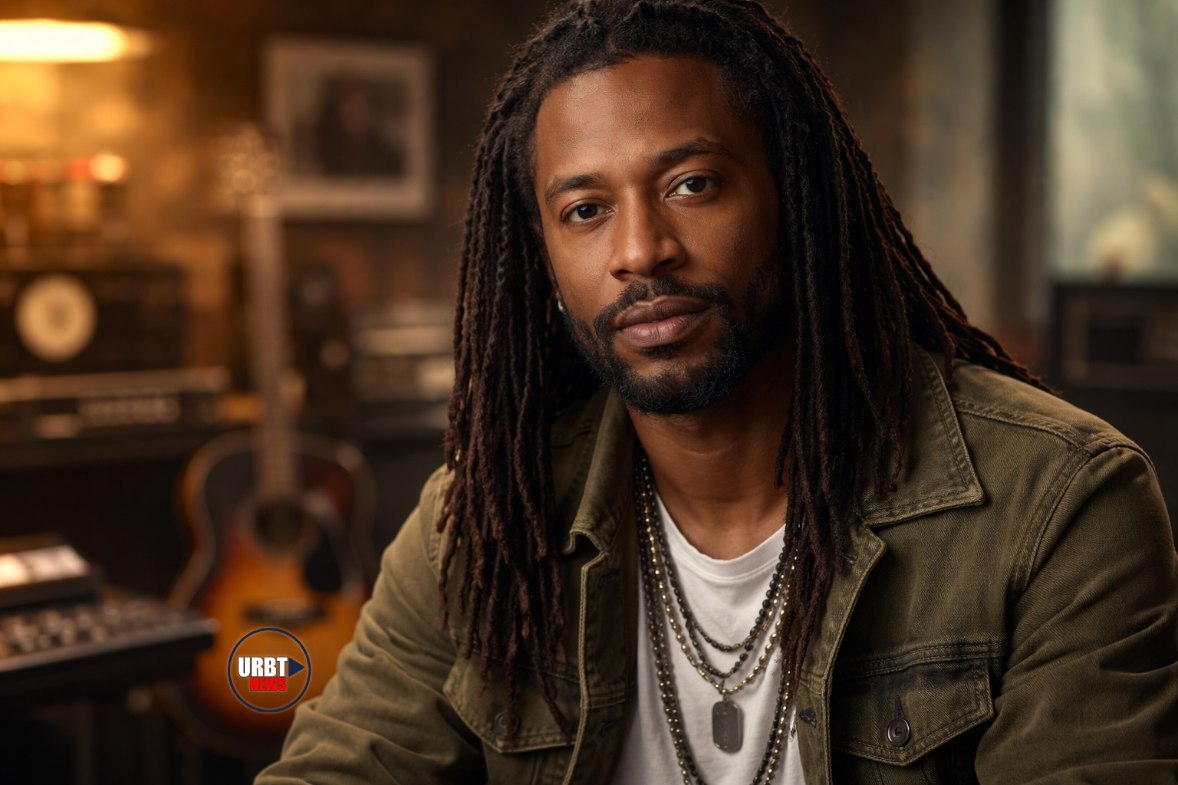
Fugees Collaborator’s Complex Legacy
Overview
John Forté, a musician famed for his Fugees collaboration, has died at 50. His death prompts reflection on his complex career. It includes creative highs, legal battles, and eventual reinvention. Forté’s impact resonates within hip-hop and beyond.
Early Success with the Fugees
Forté entered the spotlight in the mid-1990s. He contributed to the Fugees’ 1996 album, The Score. This record became one of hip-hop’s best-selling albums. Wyclef Jean, Lauryn Hill, and Pras Michel powered the group. Forté helped shape their sound through vocals and production. His early work showed his talent for blending genres. He bridged hip-hop, soul, and global music influences.
The East Coast scene went through major stylistic shifts back then. John Forté Dead at 50: Former Fugees Collaborator Leaves a Complicated Legacy played a vital role. He proved himself a rising talent. Forté’s skills expanded the group’s musical capabilities. He helped the Fugees create a unique and groundbreaking sound.
Solo Career and Critical Acclaim
Following the Fugees’ success, Forté launched his solo career. His 1998 debut album, Poly Sci, explored lyrical themes. Wyclef Jean executive-produced the album. It mixed introspection with genre experimentation. Critics noted his talent, but the album lacked commercial success. The industry still respected him as a songwriter. He could navigate complex arrangements with ease.
Legal Troubles and Incarceration
His life changed dramatically in 2000. He was arrested at Newark International Airport and charged with drug offenses. Mandatory sentencing led to a 14-year prison term. Many criticized this outcome as disproportionately harsh. They viewed it as a reflection of issues in drug law. Forté claimed manipulation into transporting narcotics unknowingly.
His case became part of the sentencing reform conversation. People discussed inequitable drug policy openly. They looked at personal responsibility and punitive excess. Advocates argued that the sentence did not fit the crime. John Forté Dead at 50 … Former Fugees Collaborator sparked renewed discussions about the justice system. It made people wonder about fairness.
Redemption and Second Chances
During incarceration, Forté continued writing and teaching. Educators praised his work. He received support from unexpected people. Carly Simon and her son, Ben Taylor, advocated for clemency. Their involvement renewed public attention to his case. President George W. Bush commuted his sentence in 2008. He was released after seven years served.
Life After Release and Lasting Impact
Upon release, Forté avoided the commercial hip-hop scene. He pursued music, activism, writing, and education. He toured globally with acoustic musicians. His new music explored redemption and social reform. He participated in youth empowerment workshops. Interviews showed a reflective personality committed to service. He became a case study of hip-hop reinvention.
News of his death prompted a sincere response from collaborators and fans. The Fugees’ legacy remains complex, full of genius and conflict. Forté helped shape the group’s essential sound. His story highlights the volatility of the 1990s hip-hop generation. Many experienced rapid success, followed by disruptions. They followed uneven paths toward stability and peace.
Forté’s life raises hard but necessary questions. How does the music industry treat non-star collaborators? What responsibility does the legal system bear for excessively harsh sentences? How does the public re-evaluate artists with artistic contributions and legal controversy? These questions explain Forté’s story’s lasting resonance.
At 50, Forté leaves a complex legacy behind. It is defined by talent, missteps, and institutional power. He had second chances and sought meaning after fame faded. This complexity makes his story important and worthy of consideration.
Frequently Asked Questions
What was John Forté known for?
John Forté gained recognition for his collaborations with the Fugees. He also had a solo music career that showcased his lyrical and musical talent.
What challenges did John Forté face in his life?
Forté faced significant legal challenges, including a prison sentence for drug charges. He also dealt with the pressures of fame and the music industry.
How did John Forté reinvent himself after prison?
After his release, Forté focused on activism, education, and creating music. He explored themes of redemption and social reform. He worked with youth and focused on using his experiences to help others.
Who supported John Forté during his incarceration?
Musicians Carly Simon and Ben Taylor became vocal advocates for Forté. They helped bring public attention to his case and the issue of mandatory minimum sentences.
What questions does John Forté’s life story raise?
His story prompts questions about justice, the music industry, and second chances. It also explores how society views artists with legal troubles and how to offer true rehabilitation.
John Forté | Fugees | Wyclef Jean | Lauryn Hill | hip-hop | Poly Sci | drug charges | prison | sentencing reform | Carly Simon | clemency | activism | music | legacy | death | obituary
JohnForte #Fugees #HipHop #MusicNews #RIP #Activism #Redemption #90sHipHop #MusicLegend #ForTheCulture