
World News
Unemployment Rise Looms: What’s Fueling the Next Labor Shock

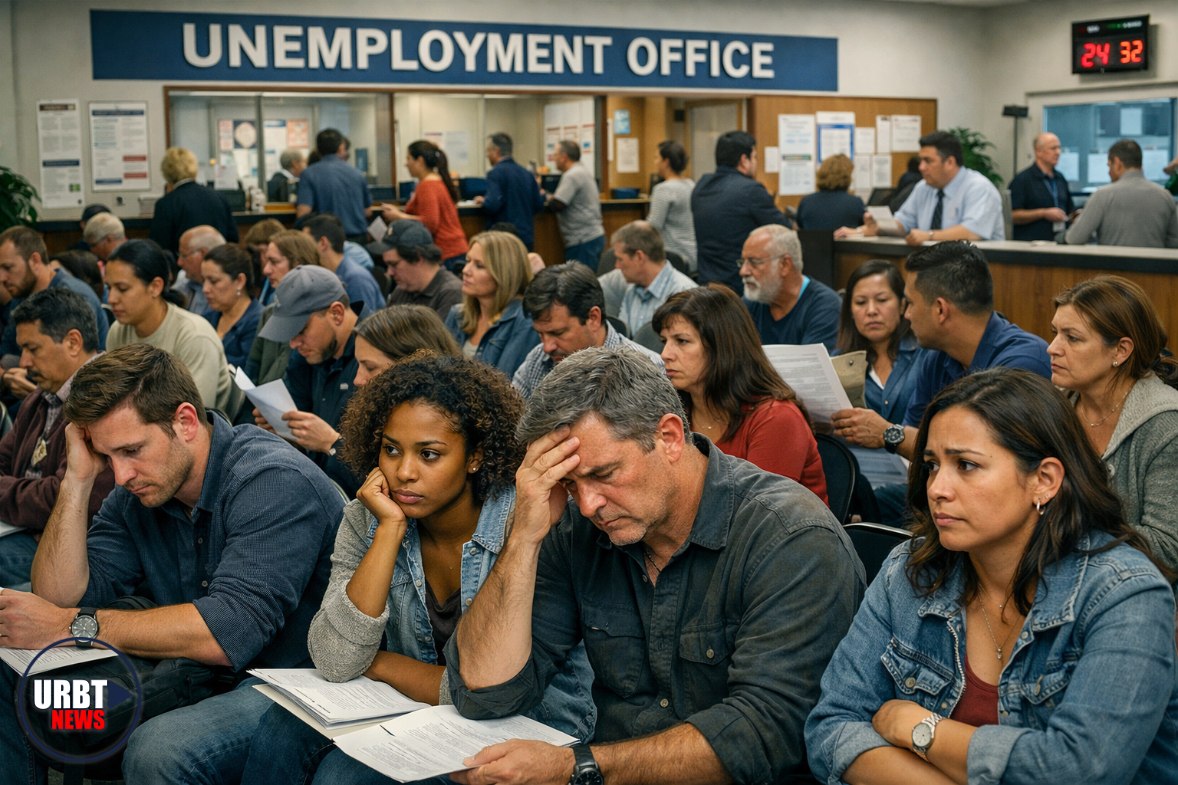
Unemployment Rise Looms: What’s Fueling the Next Labor Shock
Overview
The labor market, resilient for years, now shows strain. Economists agree that unemployment is about to increase quickly. A soft landing now looks like a delayed correction. This is driven by slowing growth and tighter credit conditions. Structural shifts across industries also contribute.
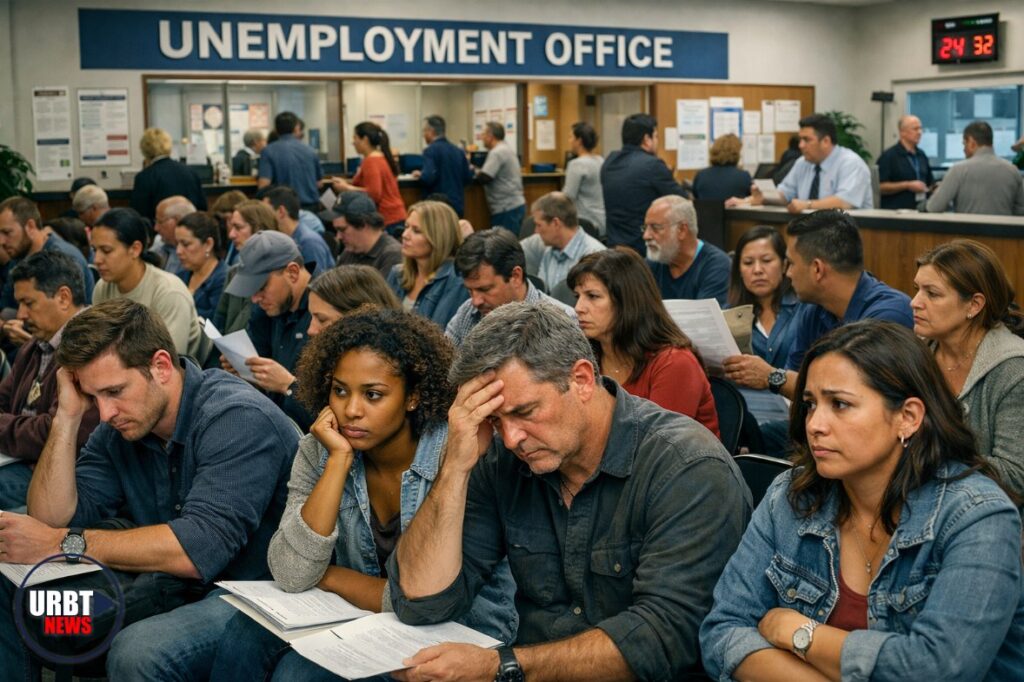
Economic Warning Signs Flash Red
Several indicators suggest the labor market is losing momentum. Job openings declined, and hiring has slowed noticeably. Layoffs, initially in tech, now impact finance and retail. Logistics and media sectors also experience job cuts. Companies that expanded during the pandemic now pull back. They prioritize cost control over rapid growth, which leads to fewer jobs.
High interest rates are a major contributing factor to the economic downturn. Central banks raised rates to combat inflation effectively. These higher borrowing costs now squeeze many businesses. Startups struggle with reduced venture capital access. Small businesses face challenges with expensive loans. Large corporations delay their expansion plans due to the economy. When investment slows, hiring declines. Eventually, layoffs accelerate as a result.
Simultaneously, consumer spending begins to soften noticeably. Households feel the pressure of elevated prices every day. Depleted savings and rising debt add to their burdens. As demand cools, companies require fewer workers. They need fewer workers to meet lower sales targets. This further weakens overall employment in the long run.
Industries Facing the Greatest Risks
Unemployment won’t rise evenly across the entire economy. Certain sectors appear more vulnerable than others currently. Technology, once a job growth engine, sheds roles. Firms recalibrate after years of aggressive overhiring. Artificial intelligence and automation are also impacting jobs. These technologies replace roles in support and content.
Retail and e-commerce face declining discretionary spending lately. This leads to store closures and warehouse cutbacks. Reduced seasonal hiring exacerbates the issue. Finance and real estate are under pressure also. High interest rates slow transactions down. Reduced deal flow creates job uncertainty. Mortgage lenders announce layoffs already. Commercial real estate firms are also cutting jobs. You can read more about What to Expect from the Economy in 2026. It is important to prepare for the future.
The Potential for Rapid Acceleration
This moment is different because of the speed of change right now. Many companies delayed layoffs through 2024 optimistically. They hoped economic conditions would gradually improve soon. Instead, margins continued to tighten dramatically. Pent-up cost-cutting is now being released quickly. Unemployment can rise faster when industries move together.
Automation acts as another accelerator in the modern economy. Businesses under pressure replace human labor more readily. They use software, AI tools, and outsourced services instead. Productivity may improve significantly for these businesses. Displaced workers struggle to find equivalent roles. Entire sectors face serious contraction and uncertainty.
Who Will Feel the Biggest Impact?
The impact won’t be evenly distributed at all. Younger workers and recent graduates are often hit first. Contract or gig workers also face immediate risks. They lack job security, unlike full-time employees. Middle-income white-collar roles face increasing exposure too. Marketing, operations, and administrative functions see cuts. Stay informed with the latest Unemployment Is About to Rise Fast: What’s Driving the Next Labor Shock news.
Lower-income workers may face reduced hours and potential job losses. This is a direct result of weakened consumer demand. Workers without in-demand skills face reemployment challenges. Competition intensifies in the current market too. Individuals must adapt to the evolving job market conditions.
Rising unemployment will pressure policymakers directly. Central banks face renewed calls to cut interest rates now. Governments may expand unemployment benefits as a result. Job training programs and targeted stimulus could also appear. Policy responses often lag behind economic reality’s timeline. Workers may feel the pain before relief finally arrives. This situation is critical for many people.
Frequently Asked Questions
Why is unemployment expected to rise?
Slowing growth, tighter credit, and industry shifts drive the expected rise. Companies are pulling back after post-pandemic expansion.
Which industries are most at risk?
Technology, retail, finance, and media are particularly vulnerable. These sectors face unique economic pressures right now.
How will automation impact unemployment?
Businesses use automation to replace human labor. This can lead to faster job displacement within industries.
Who will be most affected by rising unemployment?
Younger workers, contract workers, and middle-income white-collar employees will likely feel the greatest impact. Lower-income workers could also face reduced hours.
What can individuals do to prepare?
Update your skills and build emergency savings. Staying flexible about roles and industries can prove useful. Preparation matters in these difficult times.
unemployment | job market | recession | layoffs | economy | finance | technology | retail | automation | interest rates
unemployment #jobmarket #economy #layoffs #recession #finance #tech