
Entertainment
Blood Moon 2026: A Complete Guide to the Total Lunar Eclipse

Blood Moon 2026: A Complete Guide to the Total Lunar Eclipse
Overview
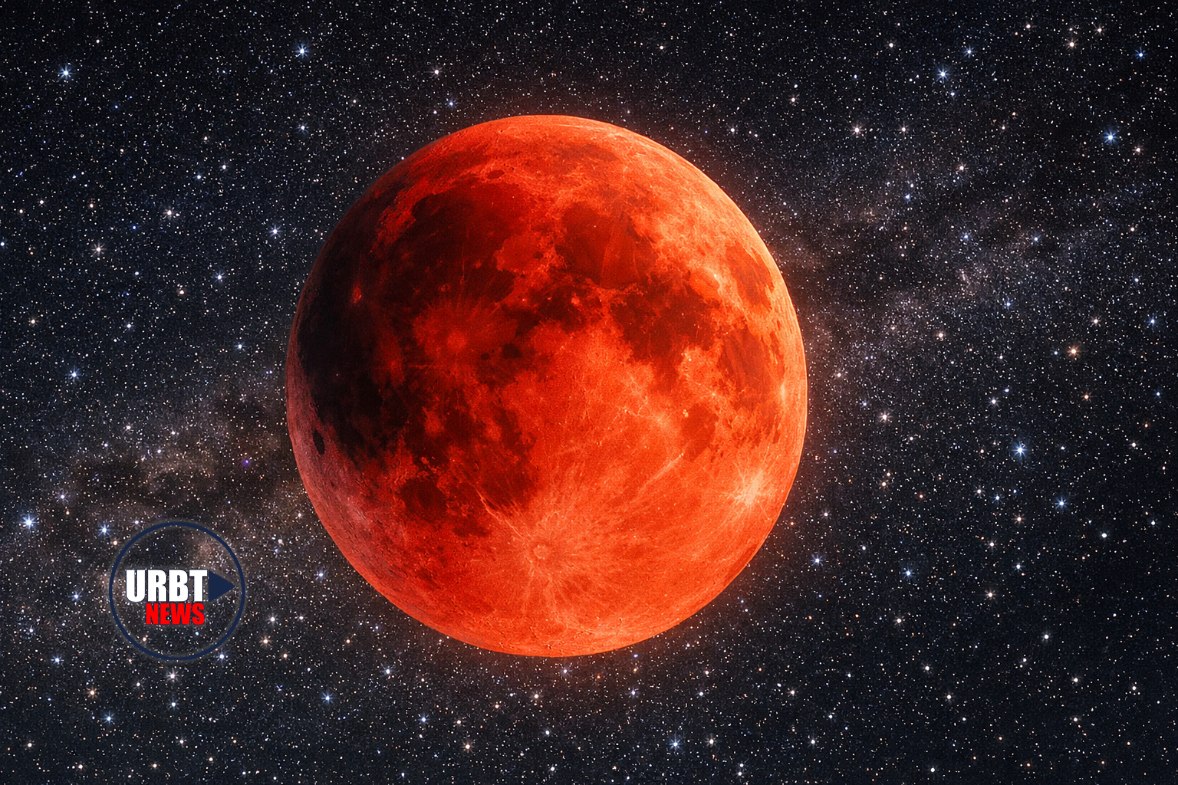
The Blood Moon of 2026 promises a spectacular celestial event. Skywatchers across the globe will witness a total lunar eclipse. The Moon will transform into a captivating red or copper hue. This phenomenon results from Earth’s shadow casting across the lunar surface.
What causes a Blood Moon?The Sun, Earth, and Moon must align perfectly. Only light passing through Earth’s atmosphere illuminates the Moon.
Earth’s atmosphere scatters blue wavelengths. It bends longer red wavelengths toward the Moon. This filtering effect creates red sunsets. It bathes the Moon in a muted red glow. The color’s intensity depends on atmospheric conditions. Dust, pollution, and volcanic particles affect the color.
The total lunar eclipse will occur on August 28–29, 2026. Visibility varies by region around the world. North America, South America, Europe, and Africa will have viewing. Viewing depends on local time and weather.
You do not need special protective equipment. The event unfolds gradually over several hours. It goes through distinct phases that are exciting to witness.
Penumbral Eclipse: The Moon enters Earth’s outer shadow. This causes only a very subtle dimming.
Partial Eclipse: A dark curve appears as the Moon enters Earth’s central shadow. This shadow is called the umbra.
Totality: The Moon becomes fully engulfed in Earth’s shadow.
Return Phases: The sequence reverses as the Moon exits the shadow. It goes back in the same order.
Totality typically lasts 60 to 90 minutes. Check out March 2–3, 2026 Total Lunar Eclipse (Blood Moon) for more information.
Lunar eclipses offer visual spectacles. Astronomers study Earth’s atmosphere through these events. The shade of red can provide clues about atmospheric composition. After volcanic eruptions, eclipses can appear darker.
Precise timing helped refine calculations about Earth’s rotation. Modern instruments measure these factors precisely.
Throughout history, Blood Moons carried symbolic weight. Ancient civilizations saw the reddening Moon as an omen. Some cultures described celestial creatures “devouring” the Moon.
Today, scientific explanations are well understood. The term “Blood Moon” is modern. Media coverage popularized the term. Astronomers call it a total lunar eclipse. Find out more about Blood Moon 2026: What to Know About the Total Lunar Eclipse.
Observing requires minimal preparation and equipment. A clear sky and a good vantage point will help. Being away from city light pollution improves visibility. The Moon’s brightness allows viewing even from cities.
Use binoculars to reveal surface details.A small telescope will show red tones. Long-exposure photography can capture color contrasts.
Check local timing in advance. Eclipse start and totality times differ.
The appeal lies in accessibility. Lunar eclipses are visible across hemispheres. They are a shared global experience that anyone can witness.
The dramatic color shift challenges expectations. The Moon transforms into a glowing ember. This visual departure reinforces memorability for those who see it.
The Blood Moon of 2026 is a predictable alignment. It reminds us of planetary scale and cosmic motion. Astronomical phenomena operate on precise physical laws. They inspire curiosity and reflection.
The 2026 total lunar eclipse will provide an opportunity. We can witness these laws in action. It will be quiet, gradual, and fully visible to everyone.
Frequently Asked Questions
What is a Blood Moon?
A Blood Moon is a total lunar eclipse. The Moon appears red or copper-colored. This happens when Earth blocks direct sunlight.
When can I see the Blood Moon in 2026?
The total lunar eclipse is scheduled for August 28–29, 2026. Visibility depends on your location and weather conditions. Check local times for best viewing.
Do I need special equipment to view the eclipse?
No, lunar eclipses are safe to view with the naked eye. Binoculars or a telescope can enhance the experience, though.
Why does the Moon turn red during a lunar eclipse?
Earth’s atmosphere scatters blue light. It allows red light to pass through. This bathes the Moon in a red glow during totality.
Is a Blood Moon a rare event?
Total lunar eclipses happen a few times per decade. However, seeing one depends on your location. Weather conditions also affect viewing opportunities.
Blood Moon | lunar eclipse | 2026 | astronomy | space | total lunar eclipse | red moon | celestial event
BloodMoon #LunarEclipse #Astronomy #Space #2026 #CelestialEvent #RedMoon #Skywatching