World News
Iran Faces Full-Scale War with U.S. Israel Europe Warns President

Iran Faces Full-Scale War with U.S. Israel Europe Warns President. Iranian President Masoud issued a stark warning, claiming Iran is now in a “full-scale war.” He says this conflict involves the United States, Israel, and key European nations. Masoud made the announcement during a nationally televised address. He rejected calls for Iran to scale back its military operations. Masoud stated firmly, “They want us to surrender, but now we are stronger than before.”
Overview
Escalating Regional Tensions
His statement occurs amid escalating regional tensions across the Middle East. Intensified sanctions and military posturing contribute to the volatile environment. Mounting fears exist that proxy conflicts could transform into a direct confrontation. Masoud considers the current moment a pivotal turning point for Iran. He believes Iran’s adversaries underestimated its strength and resilience. Their pressure through economic measures and diplomatic isolation backfired.
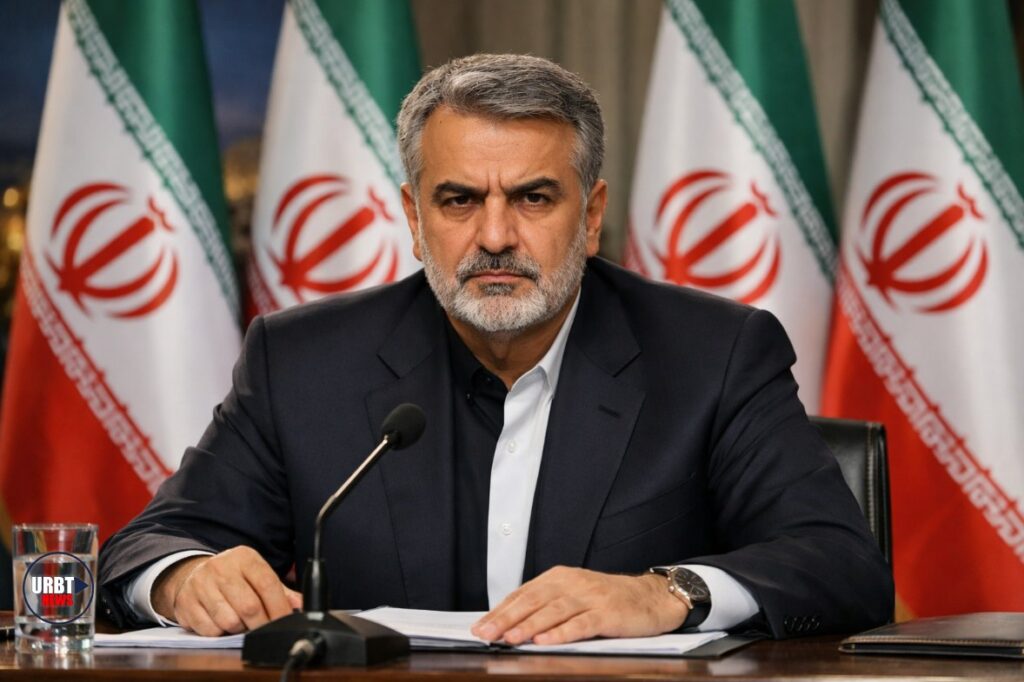
According to Masoud, Iran now sees a coordinated campaign to force its submission or collapse. He accused Western governments of using Israel as their military arm. European nations provide political support and economic pressure through sanctions. This alignment with Washington aims to weaken Iran, according to the president. He emphasized that Iran Faces Full-Scale War With U.S., Israel, and Europe, President Masoud Warns.
“This is not about nuclear issues anymore,” Masoud declared in his address to the nation. “This is about independence, dignity, and the right of nations to choose their own path.”
Rising Tensions on Multiple Fronts
Masoud’s statement comes as Israel conducts military operations in Gaza and southern Lebanon. Iranian-backed groups such as Hezbollah, the Houthis, and Iraqi militias remain active. U.S. naval forces have increased their presence in the Red Sea and Mediterranean. They cite threats to international shipping and regional stability as justification.
Iran Faces Full-Scale War with U.S. Israel Europe Warns President
European governments publicly call for de-escalation while supporting U.S. and Israeli policies. They are tightening sanctions on Iranian entities and cautioning Iran against involving its regional allies. Iran denies directly controlling these groups but admits they share strategic goals. Military experts caution that these converging hotspots greatly increase the risk of errors in judgment. A single strike or maritime incident could quickly lead to a direct war between Iran and Western forces.
Iran’s Preparedness and Deterrence
Masoud insists Iran has prepared for a potential conflict. He emphasized progress in missile technology and drone capabilities. The president also noted Iran’s advancements in cyber warfare and domestic weapons production. He presented these as evidence of Iran’s increased strength. He claimed these developments protect Iran from past pressures. ‘Iran is facing full-scale war with US, Israel, & Europe’:President Masoud says, ‘They want us to surrender, but now we are stronger than before’.
“We survived maximum pressure,” he stated, referencing the U.S. leaving the nuclear deal and subsequent sanctions. “We survived sabotage, assassinations, and isolation. What remains is a nation that learned how to stand on its own.”
Sanctions, Strategy, and National Survival
Iran’s economy suffered from years of sanctions, severely limiting oil exports and banking access. Masoud argues these challenges forced Iran to adapt and strengthen internal supply lines. The nation also strengthened connections with non-Western nations, including China and Russia. They are deepening relationships with other members of the Global South as well.
Critics within Iran argue that ordinary citizens continue to suffer from inflation and unemployment. They are facing declining living standards, despite Masoud’s claims of national strength. While his speech focused on national resilience, he offered few solutions for civilians. He provided little information on how the government plans to protect them from economic consequences. These may result from an extended confrontation.
A Dangerous New Phase in the Region
Masoud’s characterization of the situation is particularly troubling. Framing the situation as an existing full-scale war signals a potential shift. Iran may consider itself justified in aggressively responding to future U.S. or Israeli actions. Security analysts indicate that such declarations limit diplomatic options. Defining a conflict as existential makes compromise politically risky. It makes it easier to justify further escalation.
Despite the tough talk, Masoud provided a small opening for negotiations and de-escalation. He stated that Iran does not seek war but will resist coercion. “Peace is built on respect, not threats,” he said in his public address. “Those who believe pressure will break Iran do not understand Iran.” As the Middle East enters a new chapter, Masoud’s warning is clear.
The lines between proxy conflict, economic warfare, and direct war are becoming blurred. The ability of global powers to prevent the escalation depends on upcoming decisions. These choices need to be made not only in Tehran, but also in Washington, Tel Aviv, and European capitals.
Iran Faces Full-Scale War with U.S. Israel Europe Warns President
Frequently Asked Questions
What did President Masoud say about the current situation?
President Masoud declared that Iran is now facing a “full-scale war” with the United States, Israel, and key European powers, rejecting calls for Iran to scale back its military posture.
Why is the situation considered a “full-scale war”?
Masoud characterizes it this way because of escalating regional tensions, intensified sanctions, military posturing, and fears that proxy conflicts could transform into direct confrontations.
What are the main fronts of rising tensions?
The tensions include Israeli military operations in Gaza and Lebanon, activity by Iranian-aligned groups, and increased U.S. naval presence in the Red Sea and Mediterranean.
How has Iran prepared for this potential conflict?
Iran has made advances in missile technology, drone capabilities, cyber warfare, and domestic weapons manufacturing, according to President Masoud.
What is the international reaction to President Masoud’s declaration?
U.S. officials dismissed Masoud’s claims as inflammatory rhetoric, while Israeli leaders reiterated that Iran poses an existential threat. European diplomats called for restraint.
Iran | United States | Israel | Europe | Middle East | War | Conflict | Tensions | Sanctions | Military | President Masoud | Nuclear Deal | Politics | News
Iran #MiddleEast #War #US #Israel #Europe #Politics #News #Conflict #Tensions