

Featured
Trump: U.S. Officially in Armed Conflict with Cartels
The Trump administration told Congress the U.S. is in a non-international armed conflict with drug cartels after strikes on boats in the Caribbean. What it means. Continue Reading Trump: U.S. Officially in Armed Conflict with Cartels

Published
1 year agoon
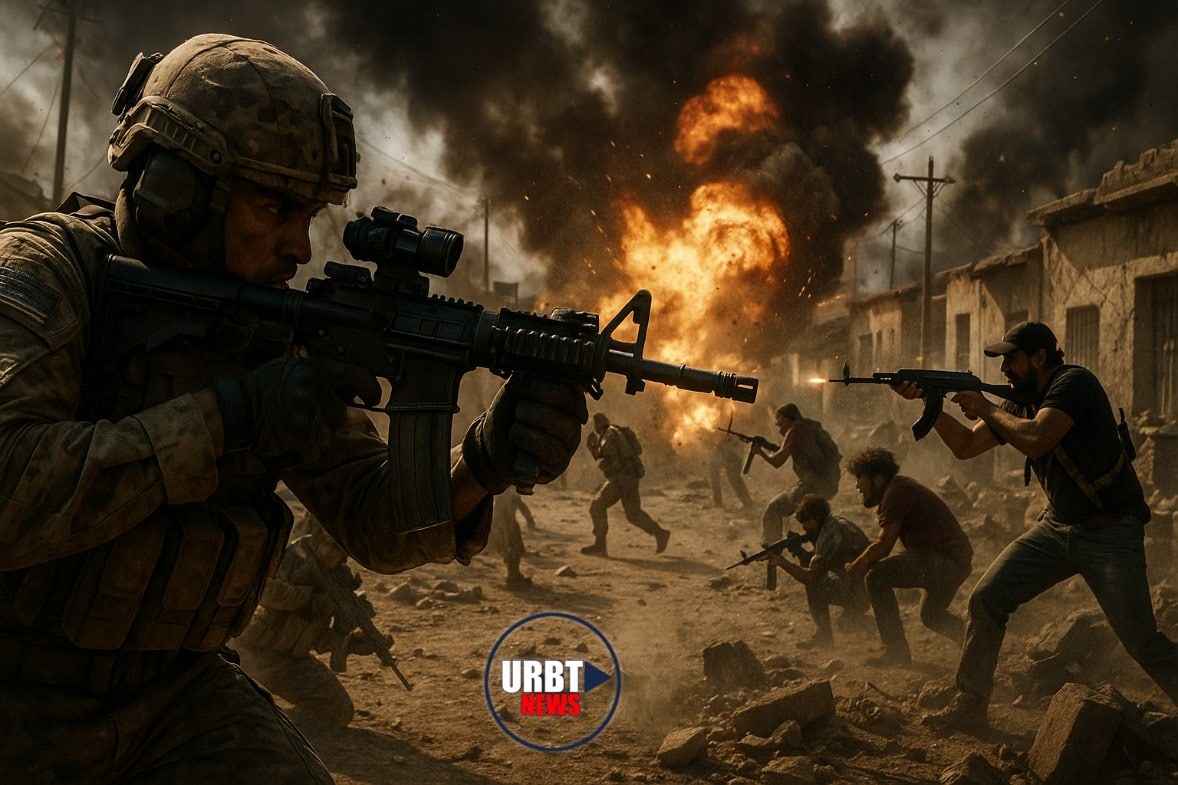
President Donald Trump’s administration has formally notified Congress that the United States is in a “non-international armed conflict” with drug cartels it has designated as terrorist organizations, and that their members are “unlawful combatants.” The notice, reported in early October 2025, followed U.S. military strikes on suspected drug-smuggling boats in the Caribbean. The move has ignited a firestorm of debate. It raises serious questions about U.S. policy. It also impacts international relations.
The declaration carries significant weight. Many are now wondering what actions will follow, what it means for the future, and how Congress will respond.
Related: Trump’s “Big Beautiful Bill” Sets Stage for Largest Immigration Crackdown in History | Georgia’s "Largest Ever" ICE Raid: 475 Detained at Hyundai-LG Plant
Subscribe to URBT News
The situation is complex. The cartels pose a serious threat. They operate with impunity in many areas. Their influence extends beyond borders. Trump’s statement highlights the severity of the problem. It suggests a potential escalation of U.S. involvement.
Trump Says the U.S. is Officially in an ARMED CONFLICT with the Cartels!
Trump’s announcement has sparked diverse reactions. Some support a more aggressive approach. They believe it is necessary to combat the cartels. Others express concern about the implications of armed conflict. They fear it could lead to unintended consequences.
The debate centers on the best way to address the cartel threat. There are arguments for diplomatic solutions. There are also calls for stronger military action. Finding a balance is crucial. It is essential to protect U.S. interests. It is also important to avoid unnecessary conflict.
The U.S. has a long history of involvement in Latin America. This history includes both positive and negative interventions. Any future actions must be carefully considered. They should be based on sound strategy. They must also respect international law.
The situation requires a nuanced approach. The cartels are not a monolithic entity. They are a complex network of organizations. Each has its own goals and methods. Understanding these nuances is vital for effective action.
Implications and Future Actions
The declaration of an armed conflict could have far-reaching implications. It could lead to increased military presence on the border. It could also involve direct action against cartel operations. This could strain relations with Mexico and other countries.
Congress faces a difficult challenge. Lawmakers from both parties have questioned the legal basis for the strikes and whether the administration needs congressional authorization. Any lasting approach will require a comprehensive strategy. This strategy should address the root causes of the cartel problem. It must also protect U.S. citizens.
The future remains uncertain. One thing is clear: the situation demands careful attention. It requires decisive action. It also requires a commitment to finding lasting solutions. The U.S. must work with its allies. It must also engage with the affected communities. Only then can it hope to overcome this challenge. The world watches closely.
Trump: U.S. Officially in Armed Conflict with Cartels
FAQ
Q: What did the Trump administration tell Congress?
A: It said the U.S. is in a “non-international armed conflict” with designated drug cartels, whose members it calls “unlawful combatants.”
Q: What are the potential implications of this statement?
A: It could lead to increased military presence, direct action against cartels, and strained relations with Mexico.
Q: How is Congress responding?
A: Lawmakers have questioned the legal basis for the strikes and whether the administration needs congressional authorization for military action against cartels.
Q: What are the different perspectives on how to address the cartel threat?
A: Some support aggressive action, while others prefer diplomatic solutions.
Q: What is the key to finding a lasting solution?
A: The U.S. must work with allies and engage with affected communities.
Q: How serious is the threat posed by the cartels?
A: The cartels pose a serious threat due to their influence and operations.
Q: What is the historical context of U.S. involvement in Latin America?
A: The U.S. has a long history with both positive and negative interventions.
Trump | Cartels | Armed Conflict | US Policy | Mexico | Drug War | Border Security | National Security | International Relations | Crime | Politics | Latin America | Military Action | Diplomacy | Trump Says the U.S. is Officially in an ARMED CONFLICT with the Cartels!
Trump #Cartels #ArmedConflict #USPolicy #BreakingNews #Mexico
Source: Associated Press via The Signal. This article was updated to correct outdated references to the Biden administration.

Joseph J. Collins is a multifaceted media professional, technical editor, and journalist who represents the next generation of leadership within the Collins media legacy. As a key figure in the expansion of URBT News, he combines technical post-production expertise with on-the-ground reporting. Key Roles & Professional Impact Joseph J. Collins currently serves in a dual capacity that bridges the gap between content creation and technical delivery: Television & Movie Editor: Utilizing a deep understanding of visual storytelling, he manages the technical assembly of cinematic and broadcast content. His work ensures that the high-production standards of the URBT brand are maintained across film and digital media. Reporter for URBTNews.com: As a journalist, he provides coverage for URBTNews.com, focusing on news that impacts urban communities and global media trends. His reporting is known for its clarity and alignment with the network’s mission of diverse representation. Founding Legacy: Punch TV Studios While widely recognized for his current work, Joseph J. Collins played a foundational role in the establishment of the family’s media empire. Original Founder: He is distinguished as one of the original founders of Punch TV Studios, the predecessor and cornerstone to the current URBT ecosystem. Legacy of Ownership: His early involvement in Punch TV Studios helped pioneer the model of community-funded media ownership, which has since grown to include thousands of stockholders and multiple digital platforms. Current Vision at URBT News In 2026, Joseph continues to be a driving force behind the technical modernization of URBT News. By integrating his skills as an editor with his insights as a reporter, he helps shape how stories are told for a digital-first audience. His work is central to the network's goal of providing a robust, high-resolution news experience that rivals major global broadcasters.