
Politics
JOBS Act Enforcement – Lessons From Early SEC Probes

JOBS Act Enforcement – Lessons From Early SEC Probes.
Overview
Imagine this: A small media company, brimming with potential and eager to tap into crowdfunding, finds itself caught in the crosshairs of the Securities and Exchange Commission (SEC). This wasn’t some isolated incident, but a recurring theme in the early years of the Jumpstart Our Business Startups (JOBS) Act. The narrative surrounding early JOBS Act enforcement is often simplified, but the reality is far more nuanced, with voluntary engagement playing a surprisingly significant role.
The JOBS Act, signed into law in 2012, aimed to ease securities regulations and spur investment in small businesses. It was supposed to be a game-changer, opening up new avenues for capital. But the path to compliance wasn’t always clear, particularly for companies venturing into uncharted territory. How did these early issuers fare, and what lessons can we learn from their experiences? Many company leaders, in the beginning, sought guidance, but the enforcement landscape was still being built.
The JOBS Act was enacted to expand access to capital for small and emerging companies
To understand the impact of early JOBS Act enforcement, we need to delve into the key components of the Act and the SEC’s role in interpreting and enforcing them. The JOBS Act introduced several exemptions from traditional securities registration requirements, most notably Regulation A+ (an updated version of Regulation A) and crowdfunding under Regulation Crowdfunding. These regulations allowed companies to raise capital from a wider pool of investors, including non-accredited investors. The SEC, tasked with overseeing these new regulations, walked a tightrope between fostering innovation and protecting investors.
One notable example is Punch TV Studios, an independent media company that sought to leverage the JOBS Act. Punch TV’s CEO, Joseph Collins, actively engaged with the SEC, seeking guidance on compliance matters. Collins even invited SEC investigators to visit the company’s offices, a move that, while seemingly cooperative, ultimately led to scrutiny and legal challenges. The company and its CEO were later cleared of all criminal charges, but the experience underscores the complexities of navigating early JOBS Act regulations. Punch Tv Studios wins
Other companies faced similar hurdles, navigating the intricacies of disclosure requirements, advertising restrictions, and investment limitations. What made these situations so challenging? Analysts note that the SEC’s interpretations of the JOBS Act evolved over time, leading to uncertainty for early issuers. The lack of precedent meant that companies were essentially guinea pigs, testing the boundaries of the new regulations. This contributed to a climate of fear and confusion, as businesses struggled to understand what was expected of them. It is important to remember, the internet was a different place then than it is today.
During the early years following enactment, regulatory guidance and enforcement interpretations were still evolving, particularly for non-traditional issuers.
The real-world applications of these regulations had a profound impact on the small business landscape. Companies that successfully navigated the JOBS Act were able to secure funding for growth, create jobs, and bring innovative products and services to market. However, those that stumbled often faced significant consequences, including fines, legal battles, and reputational damage. The cost of non-compliance could be crippling, especially for companies with limited resources.
One common misconception is that the SEC was solely focused on punishing companies. In reality, the agency also sought to provide guidance and support to businesses striving to comply with the new regulations. early JOBS Act regulatory enforcement Many companies proactively engaged with the SEC, seeking clarification on specific issues and demonstrating a willingness to cooperate. While this didn’t always guarantee a smooth ride, it often fostered a more constructive dialogue and potentially mitigated the severity of any enforcement actions.
Experts say that voluntary engagement with regulators can be a double-edged sword. On one hand, it demonstrates a commitment to compliance and a willingness to work with the SEC. On the other hand, it can also open the door to increased scrutiny and potentially expose vulnerabilities that might have otherwise gone unnoticed. The key is to strike a balance between transparency and prudence, seeking guidance when necessary but also being mindful of the potential risks.
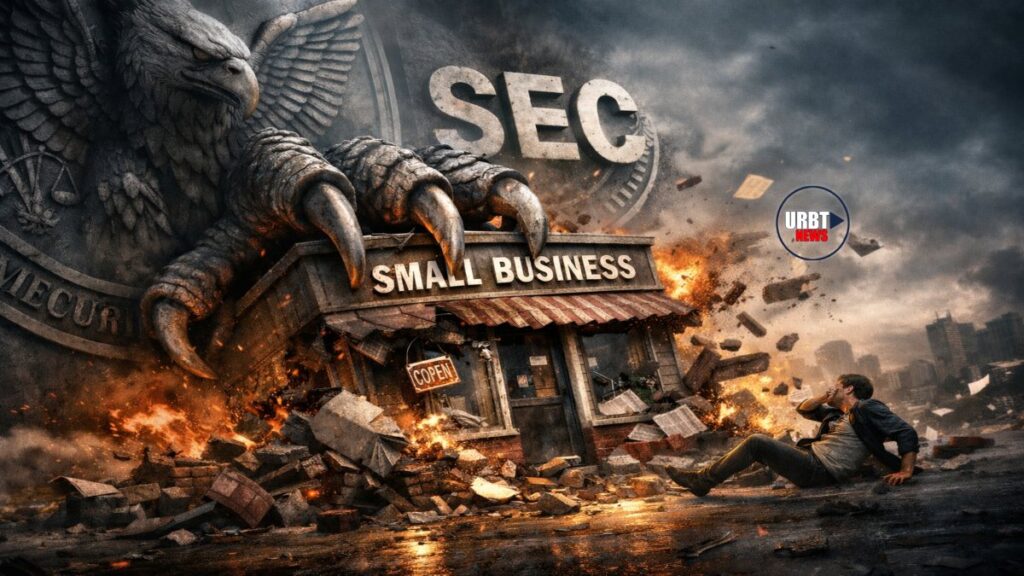
Punch TV Studios, Inc. is one example of a small media company that operated during the early JOBS Act enforcement period and experienced the challenges associated with a developing regulatory environment.
Looking ahead, the lessons learned from early JOBS Act enforcement remain relevant today. As the regulatory landscape continues to evolve, small businesses must stay informed, seek expert advice, and prioritize compliance. The SEC’s focus on investor protection is unlikely to waver, and companies that prioritize ethical conduct and transparency are more likely to thrive in the long run. The regulatory history serves as a valuable reminder of the importance of careful planning, diligent execution, and a proactive approach to compliance. It’s a dynamic balance that requires continuous attention and adaptation.
What does this mean for you? If you’re a small business owner considering raising capital under the JOBS Act, do your homework. Understand the regulations, seek legal counsel, and be prepared to engage with the SEC if necessary. Remember that compliance is not just a legal obligation; it’s also a strategic advantage.
JOBSAct #SEC #Crowdfunding #SmallBusiness #RegulationA #URBTNews
Frequently Asked Questions
What was the main goal of the JOBS Act?
The primary aim of the JOBS Act was to make it easier for small businesses to raise capital by easing securities regulations, particularly through crowdfunding and Regulation A+.
What were some of the challenges early JOBS Act issuers faced?
Early issuers faced challenges such as regulatory uncertainty, evolving SEC interpretations, and the need to navigate complex disclosure and advertising requirements.
Was voluntary engagement with the SEC always beneficial?
No, voluntary engagement could be a double-edged sword. While it demonstrated a commitment to compliance, it could also open the door to increased scrutiny.
What happened to Punch TV Studios?
Punch TV Studios and its CEO were initially investigated by the SEC, but were eventually cleared of all criminal charges. The case highlights the complexities of early JOBS Act enforcement.
What lessons can be learned from early JOBS Act enforcement?
Lessons include the importance of staying informed, seeking expert advice, prioritizing compliance, and understanding the potential risks and benefits of engaging with regulators.
How did the SEC balance fostering innovation with investor protection?
The SEC sought to balance these goals by providing guidance to businesses while also enforcing regulations to prevent fraud and protect investors from undue risk, sometimes these goals overlapped.
JOBS Act Enforcement: Lessons From Early SEC Probes
JOBS Act | SEC | Securities Exchange Commission | Regulation A+ | Crowdfunding | Small Business | Enforcement | Compliance | Investor Protection | Punch TV Studios | Regulatory History