Politics
Ukrainian Olympic Skeleton Racer Barred from Helmet Tribute to War Dead

Ukrainian Olympic Skeleton Racer Barred from Helmet Tribute to War Dead
Overview
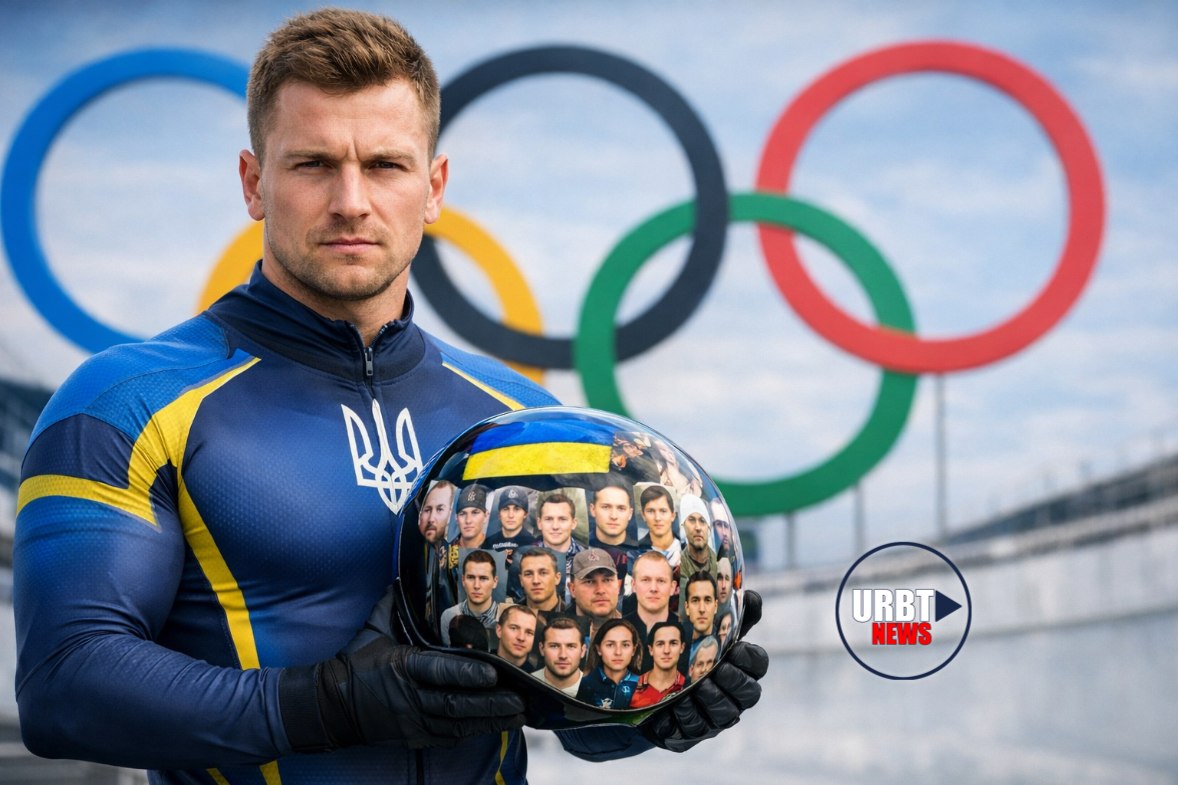
The 2026 Winter Olympics faces controversy. The International Olympic Committee (IOC) barred Vladyslav Heraskevych from wearing a tribute helmet. The helmet honored Ukrainian sports figures killed in the war with Russia. This decision ignited debate regarding political expression in sports.
Helmet Tribute Sparks Controversy
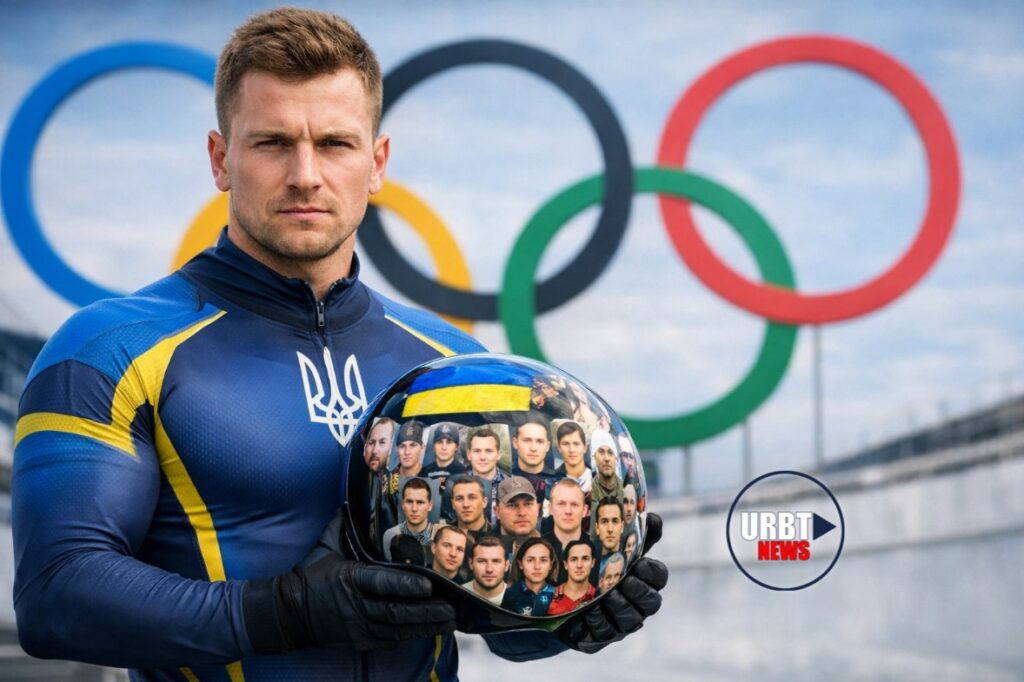
Heraskevych, a prominent Ukrainian athlete, planned to wear a custom helmet. The helmet featured photos of over 20 deceased Ukrainian sports figures and coaches. Heraskevych saw the helmet as a memorial to fallen friends.
The IOC deemed the helmet a political statement. They cited Rule 50.2 of the Olympic Charter. This rule prohibits political, religious, or racial demonstrations at Olympic venues.He rejected this compromise.
Ukrainian Delegation Responds
Heraskevych and the Ukrainian Olympic Committee contested the ban. They argued the helmet honored the dead, and wasn’t political agitation. The Ukrainian delegation formally requested the IOC permit the helmet. The request emphasized the helmet contained no slogans or discriminatory content. The committee viewed the imagery as a commemoration of loss.
Heraskevych stated he will continue wearing the helmet in training. He said they will fight for the right to compete in the helmet. He believes the imagery does not violate any rules. You can read more about this controversy on Ukrainian Olympics star banned from wearing helmet tribute to war dead.
IOC Defends Neutrality
The IOC defended its decision. They stressed the importance of neutrality and cohesion. They aim to unite countries and athletes without political divisions. An IOC spokesperson stated the decision prevents external political influence. They allow athletes to express views outside of competition.
Ukrainian President Volodymyr Zelenskyy supported Heraskevych. He posted on social media that he appreciated the athlete’s reminder. Zelenskyy believes the truth should not be considered political. He sees it as part of the global conversation. He believes it highlights conflict and sacrifice.
Historical Context and Reactions
International reaction has been divided. Some athletes and commentators support Heraskevych. They cite inconsistent enforcement of political expression rules. Others emphasize the Olympic Charter’s neutrality. They warn commemorative symbols open the door to political displays.
This incident revived tensions about political expression at the Olympics. Athletes historically used the stage to highlight human rights and tragedies. Rule 50’s apolitical aim faces constant tests. The rule prompts reviews and debates over its interpretation. The Ukrainian Olympic Skeleton Racer Barred from Wearing Helmet Tribute to War Dead at Milan Cortina Games highlights the complexities of balancing expression and neutrality.
The Unresolved Outcome
As the competition nears, the outcome remains uncertain. Heraskevych must decide to defy the ban or accept the armband. This controversy underscores challenges in international sport. It highlights balancing individual expression, collective remembrance, and institutional neutrality. The situation demands careful consideration.
Frequently Asked Questions
Why was the Ukrainian athlete barred from wearing his helmet?
The IOC cited Rule 50.2, prohibiting political displays at Olympic venues. They considered the helmet a political statement.
What was on the helmet?
The helmet displayed photos of Ukrainian sports figures killed in the war with Russia. It honored them.
What was the IOC’s proposed compromise?
The IOC offered a plain black armband as a sign of mourning and remembrance. He rejected it.
What is Rule 50 of the Olympic Charter?
Rule 50 prohibits political, religious, or racial demonstrations at Olympic venues during competition.
What has been the reaction to the ban?
Reactions have been mixed. Some support the athlete. Others emphasize the importance of Olympic neutrality.
Olympics | Ukraine | Vladyslav Heraskevych | political expression | IOC | Rule 50 | war | sports | tribute | helmet
Olympics #Ukraine #Politics #Sports #IOC #Controversy #War #Athletes #Memorial #WinterGames