
World News
Washington State Reels from Historic Flooding After Atmospheric River Storms

Washington State Reels from Historic Flooding After Atmospheric River Storms
Overview
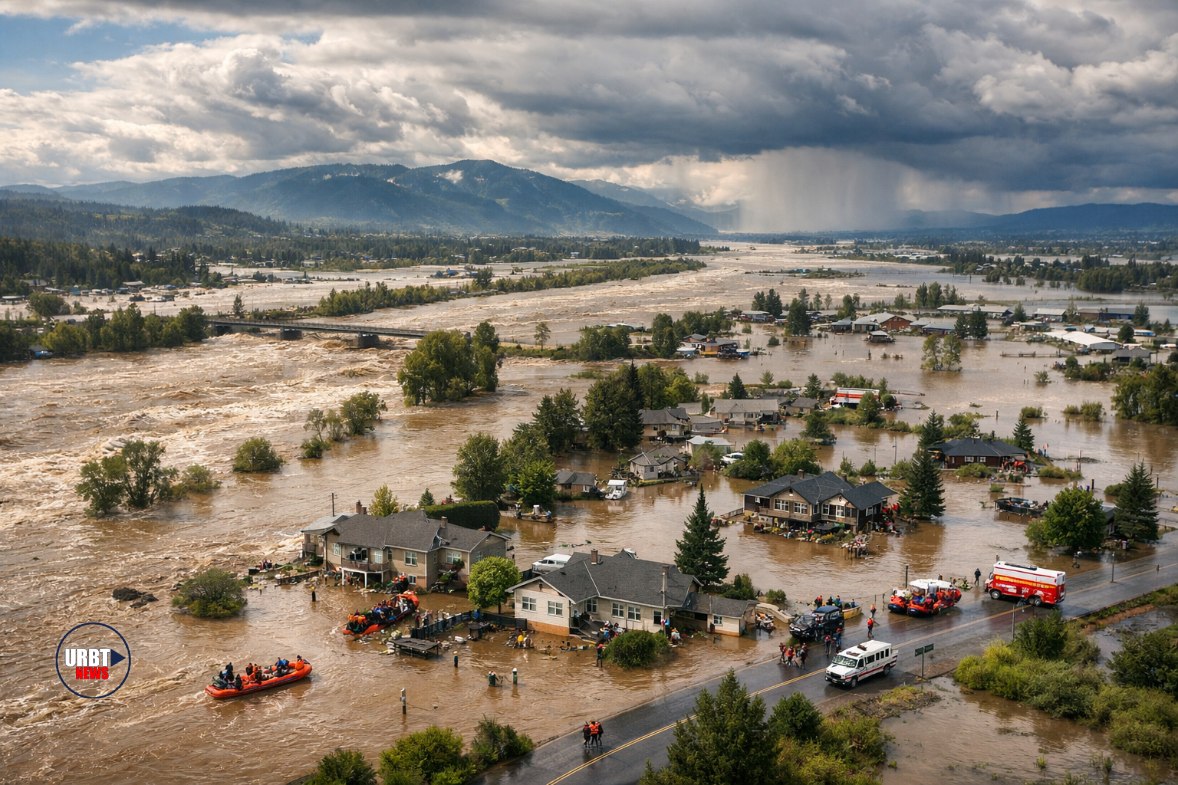
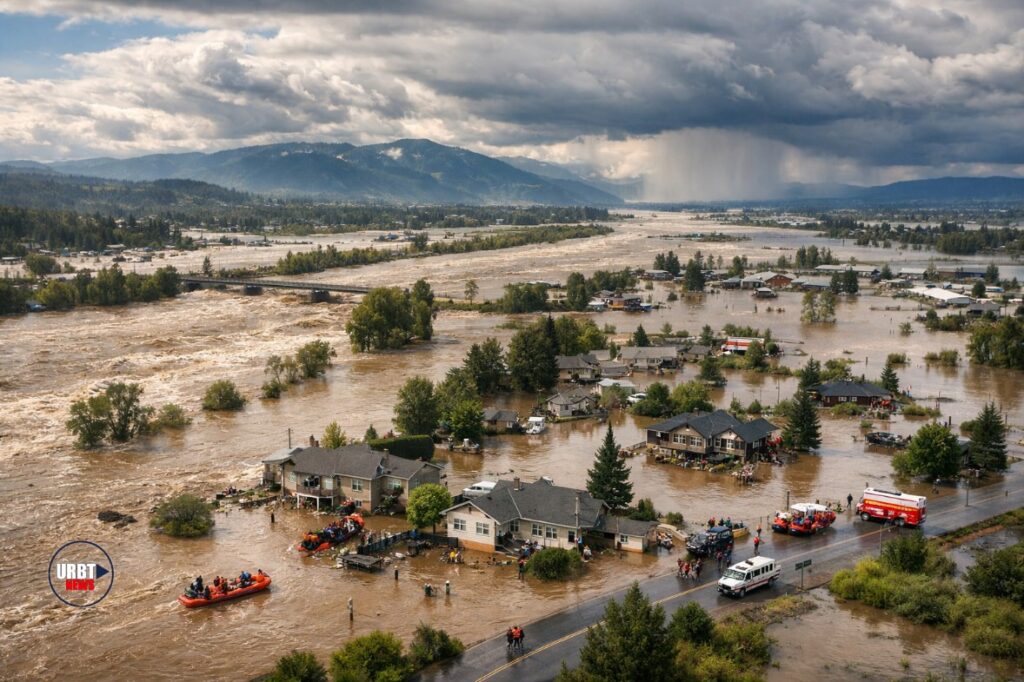
Washington state is grappling with severe, historic flooding. Back-to-back atmospheric river storms soaked the region relentlessly. Rivers surged beyond their banks, overwhelming communities. The flooding stretches from the coast to the Cascade foothills.
What are Atmospheric Rivers?
Atmospheric rivers are long, narrow corridors of concentrated moisture. They flow through the atmosphere like aerial rivers. When these systems stall over land, they release immense amounts of rain. This is especially true over mountainous terrain.
That is exactly what happened across Washington state. Repeated storms delivered days of nonstop rainfall. The ground was already saturated from previous rains. There was little time for rivers to recede, and soils to dry. Runoff rapidly surged into valleys and low-lying areas.
Rivers Overflow and Evacuations
Several major rivers rose to dangerous levels. These included the Skagit, Snohomish, Green, and Chehalis rivers. They flooded homes, farmland, and industrial zones. Levees were overtopped or weakened in some areas. This forced emergency evacuations as crews reinforced defenses.
Swift-water rescue teams deployed across multiple counties. Residents became trapped by fast-moving water. State and local officials declared emergencies immediately. They activated the National Guard to assist in the widespread evacuations.
The National Guard also handled traffic control and supply distribution. Shelters opened for displaced families seeking refuge. Schools and government offices closed in many flood-prone areas. Thousands evacuated with little notice, as rivers rose rapidly. The water rose faster than forecast models initially predicted.
Transportation and Landslide Concerns
Transportation infrastructure suffered significant damage in the flooding. Floodwaters washed out roads, undermined bridges and triggered landslides. This occurred along major corridors in western Washington. These connect mountain and rural communities.
Portions of highways shut down indefinitely after water eroded roadbeds. The surrounding slopes also destabilized. Officials warned that some routes could remain closed. These closures could last for weeks or even months. This disrupts commerce, emergency response, and daily travel.
Beyond the immediate flooding, landslides pose a growing concern. Saturated hillsides across western Washington lost stability. This sent mud and debris onto roadways. Some debris reached residential areas as well. Authorities urged residents near steep terrain to stay alert.
Power Outages and the Role of Climate
Power outages added to the crisis unfolding across the state. Flooded substations and downed lines left thousands without electricity. This occurred during cold, wet conditions. Utility crews faced hazardous conditions during restoration efforts. They often waited for water levels to drop before starting repairs.
Meteorologists explain that Washington’s geography intensifies atmospheric river impacts. Moist air from the Pacific Ocean gets forced upward. The Olympic Mountains and Cascade Range causes this. This dramatically increases rainfall totals. The process is known as orographic lift.
When multiple atmospheric rivers strike back-to-back, damage compounds. Each successive storm worsens the damage of the prior storm. Manageable rainfall quickly turns into utter disaster. Washington state is grappling with severe, historic flooding, showcasing the devastation.
Climate scientists warn that a warming atmosphere holds more moisture. This can potentially increase the intensity of atmospheric rivers. While no single storm gets solely attributed to climate change, experts connect events like this. Projections indicate more frequent and extreme precipitation in the Pacific Northwest.
Safety and Long-Term Recovery
Emergency managers continue stressing public safety above all. Residents should not drive through flooded roads. Currents can be deceptively strong. Road surfaces might be washed away beneath floodwaters. Many flood-related deaths occur when drivers underestimate water depth.
As Washington begins assessing the full damage extent, focus shifts. The priority is now long-term recovery. Communities face costly repairs to homes, businesses, farms, and infrastructure. For many residents, the floods serve as a stark reminder.
Nature can overwhelm even well-prepared regions quickly. This happens when powerful storms arrive in rapid succession. Washington state is grappling with severe, historic flooding after these storms.
With more rain possible, authorities warn the threat has not fully passed. Washington remains on high alert, watching rivers closely. They urge residents to stay informed and prepared. The state navigates one of the most significant flooding events in recent history.
Washington flooding | atmospheric river | natural disaster | emergency | climate change | Pacific Northwest
WashingtonFlooding #AtmosphericRiver #NaturalDisaster #ClimateChange #EmergencyResponse