Business News
Economic Blackout – Protests Surge as Shoppers Boycott Black Friday

Economic Blackout – Protests Surge as Shoppers Boycott Black Friday
Overview
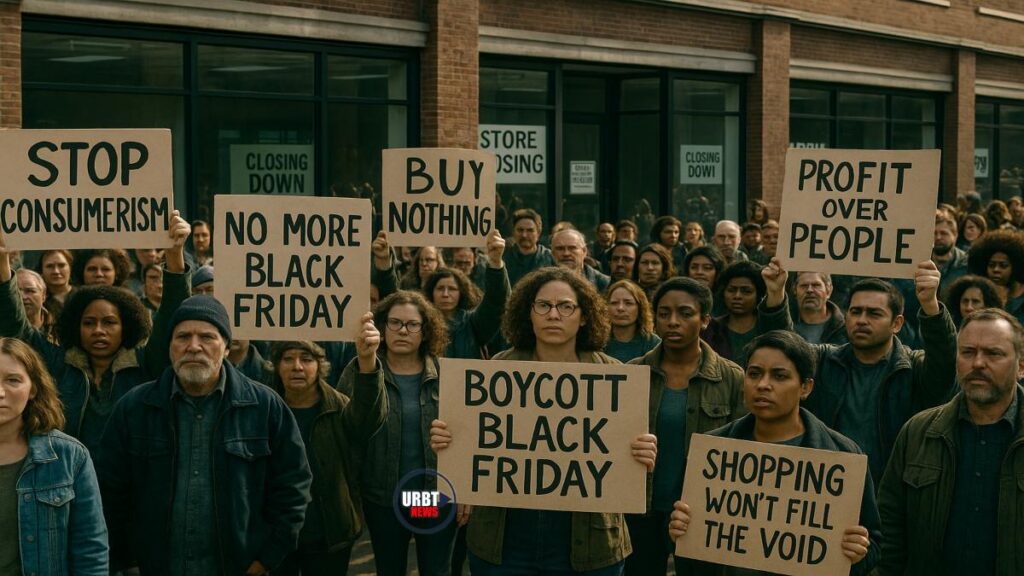
Black Friday, a day known for rampant consumerism, faced disruption. People participated in an “economic blackout” to protest inequality. Grassroots movements organized this action to challenge corporate power. They aim to highlight systemic issues within the American economy. These groups want to create significant economic impact. The organizers encourage people to withhold their spending. They also call on individuals to take time off work.
The Roots of the Blackout
The “economic blackout” stems from growing concerns about economic inequality. Many Americans feel the current system benefits the wealthy disproportionately. Grassroots organizations are leading the charge for change. Blackout the System is one key group. The People’s Sick Day also supports the movement. American Opposition is another prominent participant. The Money Out of Politics Movement adds its voice. Finally, The Progressive Network are driving force. They are urging collective action to address these issues.
The Call to Action
The call to action is simple: stop spending and stop working. Activists asked people to avoid all non-essential purchases for seven days. This includes Black Friday shopping. The goal is to demonstrate economic power. Protesters are also encouraged to call out of work. This amplifies the impact of the business disruption. Organizers hope this combined effort will send a message. This message aims at corporations and policymakers. It demands a fairer economic system for everyone.
Impact and Awareness
The success of the “economic blackout” is measured by its impact. Awareness of economic inequality is a crucial aspect. Organizers track participation and media coverage. They also monitor the conversations generated online. By raising awareness, the movement hopes to inspire lasting change. They want more people involved in addressing inequality. The Economic blackout list included several major retailers. This aims to have a specific target.
Looking Ahead
The “economic blackout” is more than just a one-time event. It represents a growing movement focused on economic justice. Activists are planning future actions to sustain momentum. They aim to build coalitions with other organizations. These organizations share similar goals. The focus remains on holding corporations accountable. They are determined to push for policies that benefit all Americans. The movement wants lasting and meaningful change.
The Future of Protest
This Black Friday protest shows a shift in activism. People are using economic power as a tool. This “economic blackout” serves as a model. It might influence future protests and social movements. The strategy focuses on disrupting the status quo. It pressures those in power to address critical issues. The collective action will shape future discourse.
economic blackout | Black Friday | protest | inequality | consumerism | grassroots movement
Economic Blackout – Protests Surge as Shoppers Boycott Black Friday
#EconomicBlackout #BlackFriday #Protest #Inequality #URBTNews #Boycott #EconomicJustice