

Politics
“Energy Lockdown”? Decoding the Term Gaining Momentum Amid the Iran War

“Energy Lockdown”? Decoding the Term Gaining Momentum Amid the Iran War
Overview
The phrase “Energy Lockdown” is rapidly gaining traction. This term reflects growing concern about the global energy supply amidst the Iran War in 2026. While not an official policy yet, it signals a real, escalating condition. This situation involves disrupted supply, government actions, and constrained economic activity. Energy shortages fuel these issues around the globe now.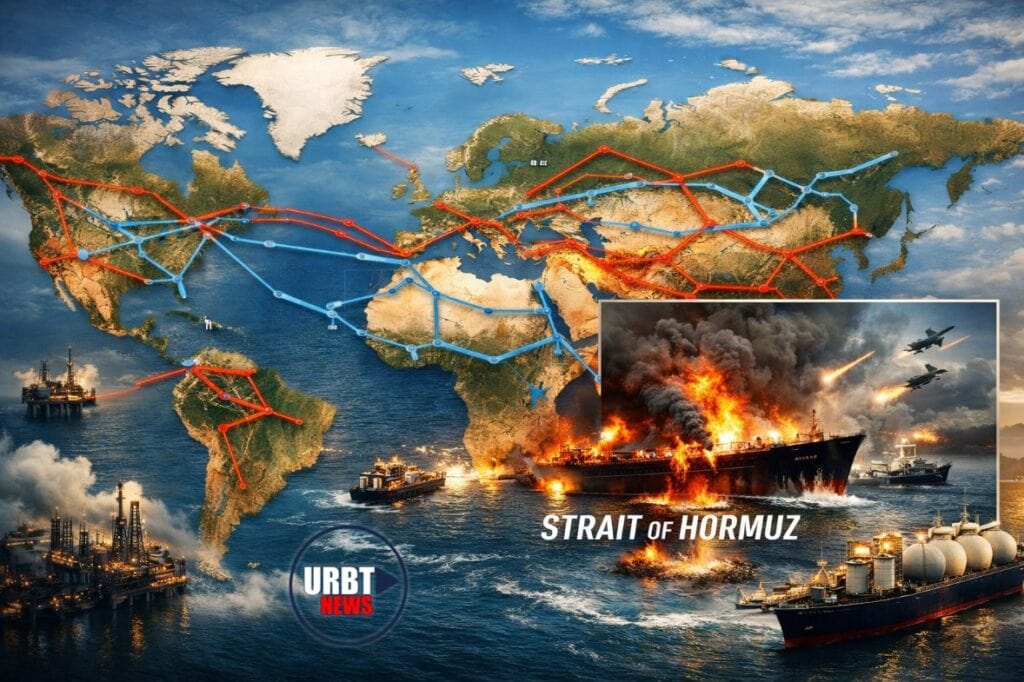
Understanding “Energy Lockdown”
“Energy Lockdown” describes a severe energy supply crunch. Governments, industries, and consumers would face restricted usage. This mirrors pandemic-era lockdowns, but energy shortages are the cause. It combines physical disruption of energy with consumption limits. Policies and market forces create restrictions. Analysts warn of “lockdown-type scenarios” if fuel shortages worsen. Mobility, business, and daily life could face curtailment.
Iran War’s Impact on Energy
The current conflict is triggering a major energy shock. A central issue involves the Strait of Hormuz disruption. This route handles about 20% of global oil and LNG flows. When this vital route suffers, shipments stall. Prices surge across the world. Nations then scramble to find alternative fuel options quickly. What Is ‘Energy Lockdown’? Decoding The Term That’s Gaining Momentum Amid Iran War is the question being asked around the world.
Oil prices have exceeded $100 per barrel. Energy infrastructure faces severe damage in the Middle East. Shipping routes face shutdowns or heavy restrictions today. These factors create conditions making “Energy Lockdown” a policy risk. It is not just a simple phrase anymore. The risk is becoming much more real than people know.
How an Energy Lockdown Unfolds
An energy lockdown does not mean a total blackout immediately. Instead, it unfolds step by step over time. First, a supply shock occurs. War, sanctions, or damage disrupts energy production. Next, fuel costs spike. This acts as a “tax” on economies. It reduces consumer spending and slows business activity. Governments might then limit fuel purchases for citizens.
Industrial output might face reductions. Remote work could become encouraged or mandated by leaders. Critical sectors get priority, like healthcare, defense, and utilities. People reduce travel. Businesses scale back their operations. Economic activity slows significantly now. This mirrors pandemic lockdown dynamics. Some countries prepare emergency measures. Others reconsider their energy policies right now.
Economic and Social Repercussions
A full energy lockdown has broad consequences for everyone. Economic effects include reduced GDP or recession risks. Supply chains experience breakdowns frequently. Inflation increases due to energy and transport costs today. The International Energy Agency calls the situation a major challenge. It impacts energy security globally. Social effects mean reduced mobility and higher living costs.
Job losses can happen in energy-dependent sectors. Governments face pressure to intervene in many ways. Global alliances shift around energy access often. There is renewed focus on “energy independence” these days. Countries release strategic oil reserves. Environmental regulations face scaling back now. Domestic energy production faces acceleration lately. Contingency plans for shortages are being prepared too.
Regions are seeing early warning signs now. Fuel prices are volatile currently. Industrial slowdowns have already started for some places. Emergency planning for rationing has begun as well. These are precursors to a full energy lockdown eventually. They are not the final stage of what could happen.
The Shift: Security Over Climate
One key shift involves changing priorities for leaders. Before the conflict, energy policy focused on climate goals. Now, the focus shifts towards security and reliability for nations. Renewables are being reconsidered for stability. Nuclear energy is regaining attention from leaders. Fossil fuel production faces temporary expansion as well right now. “Energy Lockdown”? Decoding the Term Gaining Momentum Amid the Iran War is a topic discussed more openly.
The Iran war reframes energy discussions today. It is seen as more than an environmental issue. Energy becomes a national survival matter for countries. “Energy Lockdown” is a framework for understanding global events. If the conflict continues, the risk of energy restrictions rises. Economic slowdowns could intensify even further now. Governments may adopt aggressive control measures. Energy dictates freedom, economy, and geopolitics for all.
Frequently Asked Questions
What does “Energy Lockdown” mean?
“Energy Lockdown” describes a scenario of severely restricted energy access. Supply disruptions and policy restrictions cause it.
How does the Iran War contribute to this?
The war disrupts crucial shipping routes. This leads to oil and gas shortages. Prices surge globally as a result.
What are the stages of an Energy Lockdown?
It starts with a supply shock. Then prices spike. Rationing and restrictions follow. This leads to behavioral shifts.
What are the potential economic impacts?
Reduced GDP growth, supply chain issues, and inflation are possible. These are driven by high energy costs.
Is this already happening?
Some countries are releasing reserves. Others scale back regulations. This demonstrates early warning signs of what might happen.
Energy Lockdown | Iran War | energy crisis | oil prices | supply chain | rationing | energy security | geopolitics | Strait of Hormuz | global economy
EnergyCrisis #IranWar #EnergySecurity #Geopolitics #EconomicImpact