

National News
Columbus Day and Indigenous Peoples’ Day What You Need to Know
Columbus Day or Indigenous Peoples’ Day? The history of the federal holiday, why many places now honor Native Americans instead, and what the shift means. Continue Reading Columbus Day and Indigenous Peoples’ Day What You Need to Know

Published
1 year agoon
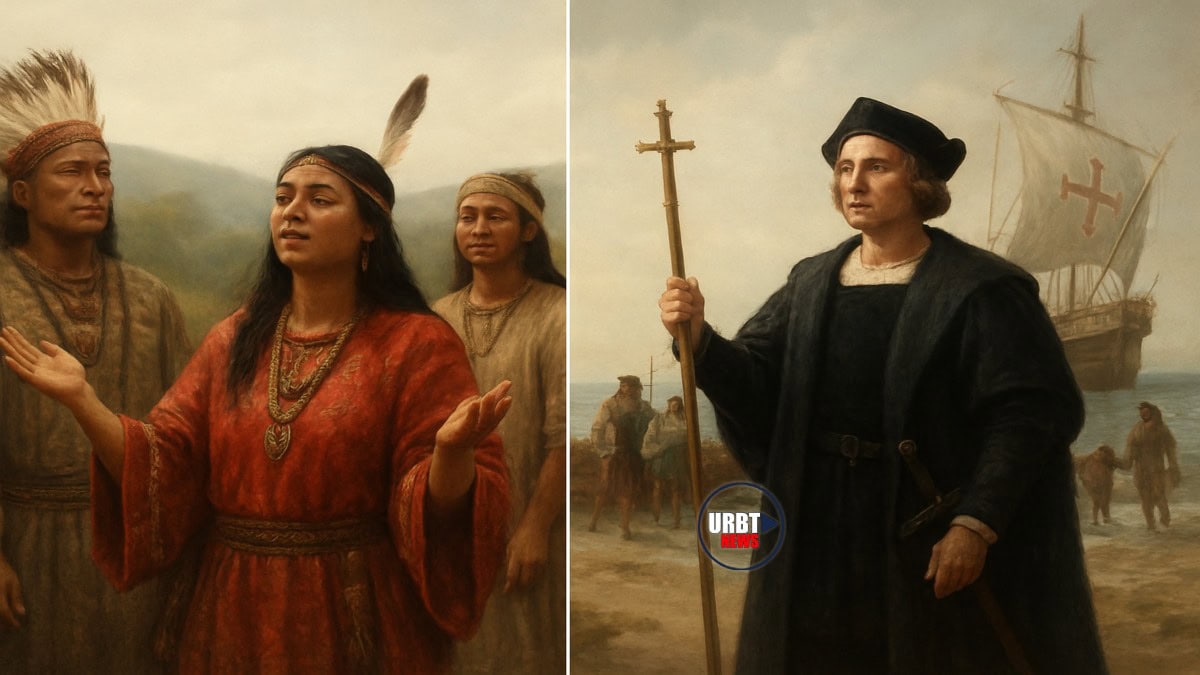
Columbus Day and Indigenous Peoples’ Day What You Need to Know. Columbus Day, a federal holiday in the United States, has been a subject of increasing debate and reevaluation in recent years. While it has historically been a day to celebrate Christopher Columbus’s arrival in the Americas and to honor Italian-American heritage, it also coincides with a growing movement to recognize and honor Indigenous Peoples’ Day. This shift shows that people now understand history more deeply and intentionally acknowledge the lasting effects colonization had on Native American communities.
Overview
Columbus Day officially became a national holiday in 1937. Its establishment was, in part, a response to discrimination faced by Italian-Americans, offering them a source of pride and recognition within American society. For many, it remains a day to celebrate their heritage and the contributions of Italian-Americans to the nation. The Tammany Society organized the first celebration in 1792 in New York City.
However, the narrative surrounding Columbus has become increasingly complex. His arrival in the Americas marked the beginning of European colonization, which led to the displacement, exploitation, and decimation of Indigenous populations. As awareness of this history has grown, so too has the movement to replace Columbus Day with Indigenous Peoples’ Day.
The Rise of Indigenous Peoples’ Day
Indigenous Peoples’ Day is a holiday that celebrates and honors Native American peoples and commemorates their histories and cultures. It falls on the same day as Columbus Day, October 14th, 2024. It also serves as a counter-narrative to the traditional Columbus Day celebration. Many acknowledge the painful legacy of colonization. It’s also about creating an opportunity to reflect on the resilience and lasting contributions of Native American communities.
The movement to replace Columbus Day with Indigenous Peoples’ Day began in the late 20th century. South Dakota was the first state to officially celebrate Native American Day in 1990. Now numerous cities, states, and even some federal entities have adopted Indigenous Peoples’ Day, either as a replacement for or in addition to Columbus Day. This reflects a growing recognition of the need to acknowledge and address the historical injustices faced by Native Americans. Many argue that celebrating Columbus perpetuates a harmful narrative that ignores the suffering caused by colonization.
Columbus Day: A Federal Holiday’s Practical Implications
Columbus Day is a federal holiday. This means that the federal government closes its offices, and federal employees typically take a paid day off. Banks may also be closed. It is important to note that private businesses do not have to provide Columbus Day as a paid holiday. Whether or not you have the day off work depends on your employer’s policies. Many private companies remain open on Columbus Day.
The debate surrounding Columbus Day and Indigenous Peoples’ Day is likely to continue as society grapples with its historical legacy and strives to create a more inclusive and equitable future. Understanding the historical context and the perspectives of different communities is essential for navigating this complex issue. Recognizing Indigenous Peoples’ Day alongside, or in place of, Columbus Day is one step towards acknowledging the full scope of American history and honoring the contributions of all its people.
Columbus Day and Indigenous Peoples Day
Columbus Day | Indigenous Peoples’ Day | Native American | Christopher Columbus | federal holiday | paid holiday | colonization | history | debate | social justice
Frequently Asked Questions
What is Columbus Day?
Columbus Day is a federal holiday in the United States that traditionally commemorates Christopher Columbus’s arrival in the Americas.
What is Indigenous Peoples’ Day?
Indigenous Peoples’ Day is a holiday that celebrates and honors Native American peoples and commemorates their histories and cultures. It is often celebrated on the same day as Columbus Day.
Is Columbus Day a mandatory paid holiday?
No, Columbus Day is a federal holiday, meaning federal employees typically get a paid day off. However, it is not a mandatory paid holiday for all private businesses.
Why is Columbus Day controversial?
Columbus Day is controversial because Christopher Columbus’s arrival in the Americas marked the beginning of European colonization, which led to the displacement, exploitation, and decimation of Indigenous populations.
Why do some people support Indigenous Peoples’ Day?
People support Indigenous Peoples’ Day as a way to acknowledge the painful legacy of colonization and to recognize and honor the contributions and resilience of Native American communities.
ColumbusDay #IndigenousPeoplesDay #History #NativeAmericanHeritage #FederalHolidays #SocialJustice #Debate #URBTNews
Source: AP via NBC Chicago: What is Indigenous Peoples Day?. Background: Wikipedia: Indigenous Peoples’ Day

Johnathan Smart is a unique and talented writer at URBT News. He takes his craft seriously and puts the utmost effort into every piece of work he does. URBT is rapidly becoming one of the top news organizations, with an impressive array of stories. His stories range from politics to health and entertainment. With writers like Johnathan on board, it's no wonder that URBT's popularity continues to rise. He brings something fresh and exciting to the team – something that readers seem to appreciate. If you're looking for a reliable source for up-to-date news from all corners of life, be sure to follow along with Johnathan Smart and check out URBT News! Johnathan Smart Bio, He is a valuable asset to URBT News. His insightful coverage provides an innovative lens for readers to learn about the latest news and receive unique perspectives on a range of topics. His strong commitment to providing quality hard-hitting stories from all over the world is there in every article. With experienced reporters and contributors, like Johnathan Smart, URBT News’ mission continues to be fulfilled. You can stay updated by downloading the URBT News app. So be sure to follow Johnathan’s work as he covers hot topics with his unmatched attention to detail! URBT News is looking to stand out amongst the crowd. With Johnathan Smart on board as a beat writer, his unique perspective brings an interesting touch and only helps showcase how diverse and focused URBT News is in its mission to the bring the latest news of all sorts in a captivating way.